Road to recovery
The government is giving local authorities the tools they need to make a difference, writes Bev Craig
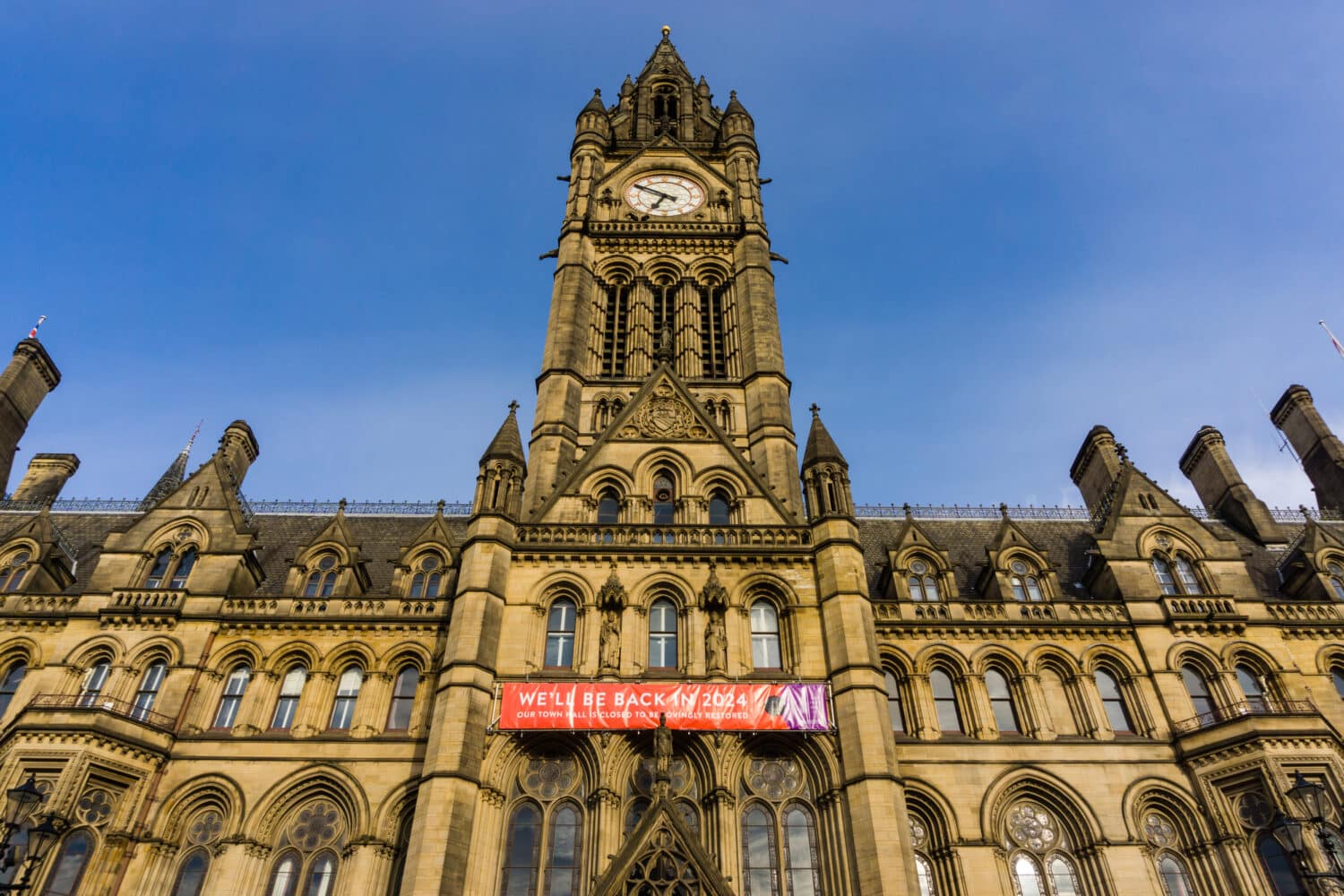
When you vote for change, you want to see it – and quickly. Collectively, at all levels of government, the impetus to deliver sustained improvement has never been greater.
The government’s inheritance after 14 years of decline –decimated public services, economic stagnation, declining living standards and life chances, and the weakening of our social contract across the country – means the government’s bandwidth will be stretched like never before. Long-term strategy that sets our country on the right course must be fused with demonstrable delivery to keep trust and fend off populism from left and right. As local leaders, the ability to marshal a long-term plan to rebuild a city’s economy, create jobs and homes, and tackle poverty, while at the same time contending with the practical and often literal pavement politics of fly tipping and potholes, is our daily reality.
Crucially, though, how you explain your purpose and achievements matters. Take economic growth, for example. Manchester’s story is often cited: a declining post-industrial city has, over the last decade, transformed into the fastest growing city in the UK, with an average growth rate of 3.1 per cent; flourishing life sciences, professional and financial services sectors, and thriving digital, tech, and advanced material industries. Over the course of 20 years, the skills base underwent a seismic shift, from 25 per cent of all working age adults having no formal skills or qualifications to less than 6 per cent. Yet we still face some of the highest levels of child poverty in the country: an important lesson in the impossibility of separating economic and social policy.
An economic journey two decades in the making, supercharged through devolution, maintained broad electoral support throughout (Manchester Labour holds87 of 96 seats on Manchester City Council). Not because we promised economic growth, but because we harnessed civic pride and focused on the practical benefits of growth– better jobs and more opportunities for children, good homes, more money for local services and clean, green and thriving neighbourhoods. Hope for tomorrow, with incremental progress today.
People’s perceptions of success are shaped when they step outside their front door. Is there a vibrant local high street and high quality local services, parks, roads, and public transport? Do they feel safe? Is there enough for their children to do? In other words, people ask themselves: is my local area on the up, or does it feel in decline?
In local government, we are challenged with demonstrating the great strides a Labour government is making to improve everyday life. We are rising to the challenge. After the decimation of local government since 2010, when Labour councils – especially northern towns and cities with high poverty rates – were worst hit, it will take a long rebuild to address the current £6bn blackhole. It is not only about local government funding. The previous government’s refusal to grip social care, the spiralling chaos in the special educational needs (SEND) system, and the housing crisis that sees councils in London spend £4m per day on temporary accommodation left us all exposed.
That’s why it was so important to see the start of a local government rebuild in the government’s spending review and subsequent fair funding consultation. It is heartening to see commitments to tackle the crisis of social care and SEND, and the £39bn affordable homes programme – the biggest cash injection into social and affordable housing in50 years – will facilitate growth and tackle rises in homelessness in the process. The transformation of the household support fund into a multi-year crisis and resilience fund; free school meals for over 500,000 more children; new funding to increase the supply of good-quality temporary accommodation; and the extension of the warm homes plan will have an immediate impact in terms of poverty reduction. The industrial strategy, infrastructure strategy and transport investment are much needed tools for local leaders like me to create stronger local economies.
To radically improve our neighbourhoods, towns and cities means putting place first, and a reset relationship between national and local, recognising that mayoral combined authorities must be underpinned by well resourced, capable local councils to succeed. Change will require a reformed Whitehall view of how silos come together in place, and a new level of trust and accountability to deliver placed on our shoulders.
Turning combined authorities into ‘mini-Whitehalls’ won’t work. We must focus on delivering change locally, improving neighbourhoods, building homes, and fostering strong local economies – practical, everyday change on your doorstep. Labour councils are desperate to deliver that change as equal partners – not just to win elections, but to change lives.
Image credit: barnyz via flickr