Dangerous Territory
The ECHR is crucial to defend the rights of the most vulnerable in the UK. The government should advocate for its reform, not its destruction, writes Ruth Ehrlich
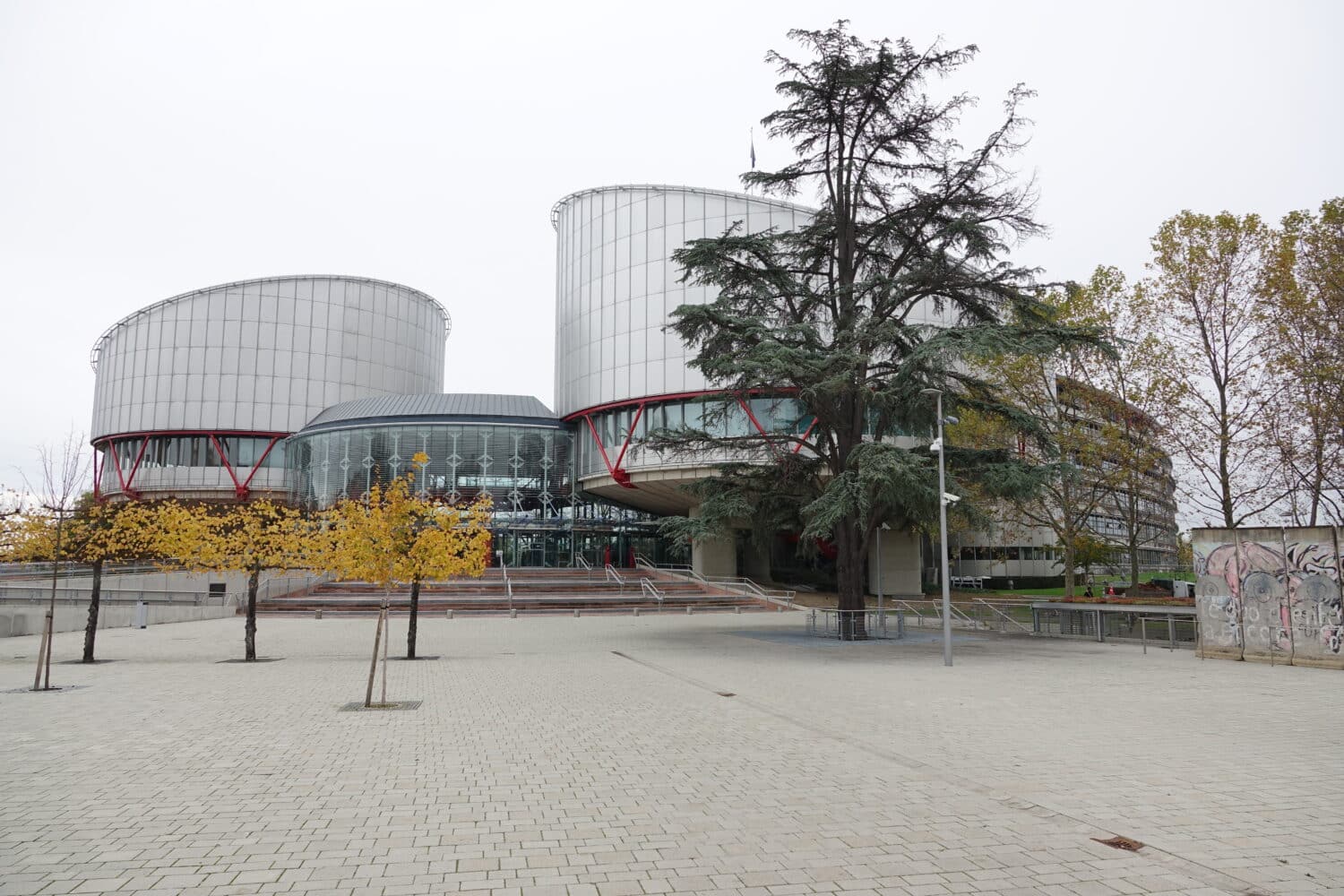
In the early 1940s, the second world war was ripping Europe apart, wiping out whole communities and displacing tens of millions of people. At that moment, it might have appeared impossible that within a decade, international treaties would be drafted that sought to protect universal human rights.
Among these treaties was the European Convention on Human Rights (ECHR). Signatory countries expressed their “profound belief in those fundamental freedoms which are the foundation of justice and peace in the world and are best maintained on the one hand by an effective political democracy and on the other by a common understanding and observance of the Human Rights upon which they depend”. Since then, the ECHR, along with the Human Rights Act (which allows us to enforce the ECHR in our domestic courts), has ensured that victims of abuse can seek safety and justice and upheld LGBTQ+ rights alongside religious rights.
Today, the ECHR dominates British headlines – but not for the way it enshrines protection from discrimination, or the right of freedom of expression. It is instead seen as something that stifles national sovereignty and thwarts immigration bills.
The ECHR once served as a convenient political scapegoat solely for right-wing outsiders. Increasingly, politicians of all stripes have taken up the cause. In doing so, they create the serious risk that we not only fail to protect those who so desperately seek safety on our shores, but turn our backs on agreements between like-minded countries that enshrine all of our rights and freedoms. The Conservative and Reform UK narrative is that only leaving the ECHR will allow the UK to control its borders and enjoy national sovereignty. The government is now scrambling to find a policy that both protects our human rights frameworks and sends a message that it is tough on immigration.
The prime minister knows full well that leaving the ECHR will not stop small boats from crossing the channel. Neither will it allow mass deportations of people without regular immigration status. The European Court of Human Rights (ECtHR) has found against the UK in just 13 deportation cases in 45 years, but this gets little media attention
The uncomfortable truth is that the asylum backlog has soared in recent years in large part because of Brexit. The Dublin rules, which we were part of as a member of the EU, facilitated removals of people arriving in the UK to EU countries through which they initially passed. Also, when we left the EU, we lost our access to funding for asylum and immigration initiatives. This should serve as a crucial reminder that the UK cannot act in isolation, and that only international cooperation can help the government meet its policy objectives while guaranteeing the protection of refugee rights.
To achieve what Reform UK is promising, the UK would have to do much more than just leave the ECHR. We would need to leave a host of other conventions and treaties, including the Refugee Convention 1951 and the UN Convention Against Torture. We would also need to repeal our domestic legislation, including the Human Rights Act 1998 and the Equality Act 2010. Picking apart the ECHR would thus lead to the unravelling of every human rights protection we take for granted – leaving us with very few ways to protect our rights and to hold the powerful to account.
Reform of the ECHR is possible. The convention was written as a living instrument, meaning that the rights protected within it can develop over time as social norms and social conditions change. We can work with our European partners to make the convention fit for purpose while maintaining its integrity and the rights it grants to all of us. Multilateral reform is the best way to ensure that reforms are sustainable and rights-respecting, and that the international cooperation underpinning the convention remains strong.
But alongside this, the government must tell the story of the ECHR: not only that leaving would not solve the problems that certain political actors say it would, but that the ECHR has protected and advanced the rights of everyone in the UK. It helped bring justice to Hillsborough families, allowed LGBTQ+ people to serve in our military, and protects us every day by placing positive obligations on councils, care homes and schools to safeguard our rights. This is the story that Labour must tell to protect our rights – a story which foregrounds not just those seeking sanctuary in the UK, but everyone who lives here.
Image credit: GZen92 via Wikimedia commons