Minor majors
Recruiting under-16s into the armed forces is costly, inefficient and outdated – if Britain wants a modern, professional military, it should end the enlistment of children, writes Jim Patrick Wyke
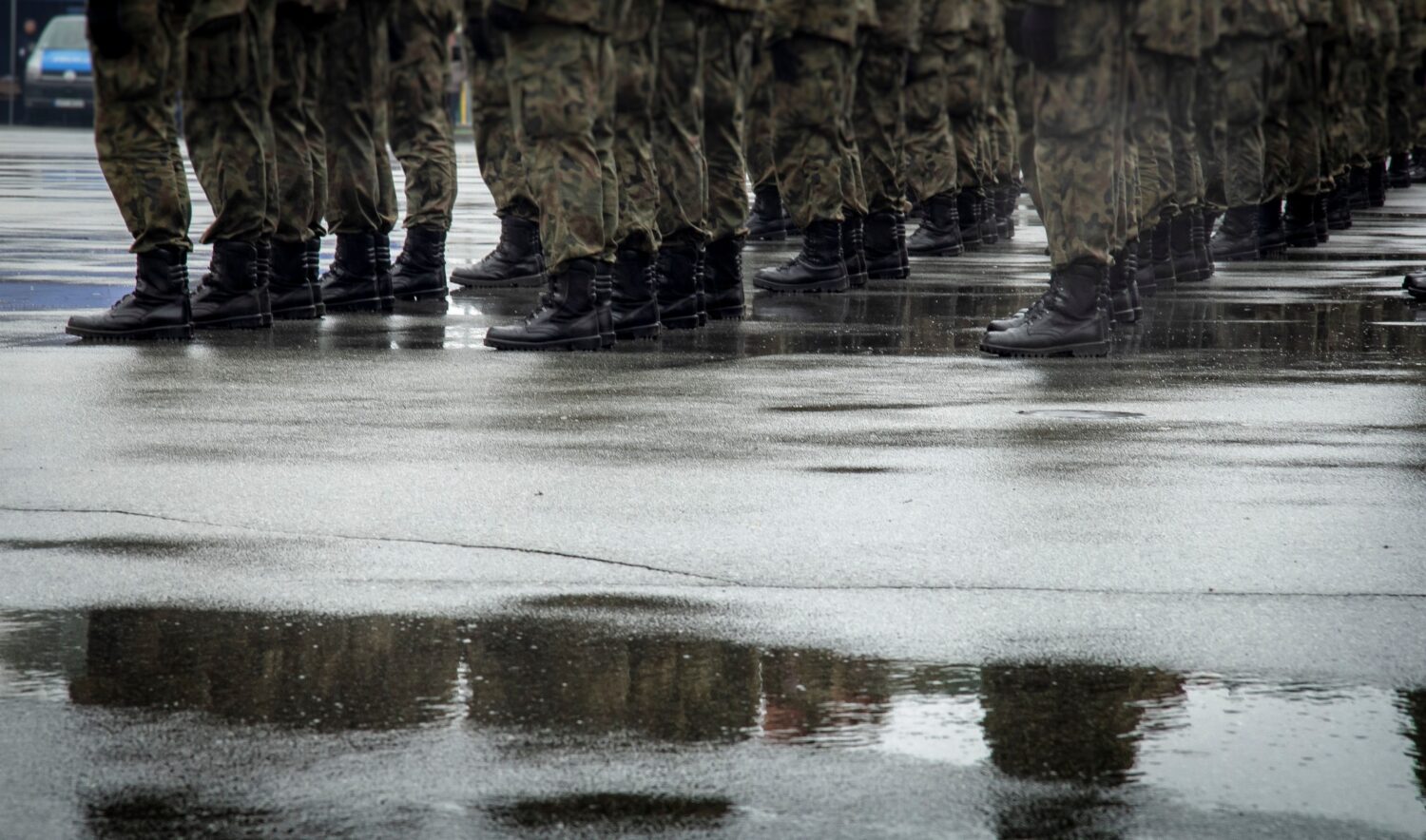
Britain remains an international outlier in enlisting 16 and 17-year-olds – defined by the UN as children – into its armed forces. Globally, three-quarters of countries have a minimum age for military recruitment of 18 or higher. In fact, the UK is the only major military power, the only country in Europe, and the only permanent member of the UN security council to still allow enlistment from age 16.
Yet over the past decade, under-18 recruits have made up over 30 per cent of the army’s annual intake. The UK’s choice to bolster one-third of its military with children is brutal, costly, and largely ineffective in terms of improving the country’s national security.
There are significant risks in placing under-18s in a military environment. Over the past decade, numerous cases of mistreatment have come to light, including the violent abuse of recruits and serious sexual offences. The mental health impacts of under-18 recruitment are also stark, with disproportionate rates of long-term mental health problems and higher suicide rates.
The recruitment of under-18s is expensive and inefficient. It necessitates resources that an all-adult recruitment model would not, including the provision of formal education and child-specific safeguarding measures. This makes the cost for each under-18 recruit around 75 percent higher than that of an adult recruit. The savings of a transition to an all-adult recruitment model for the armed forces are estimated at up to £94m per year – around five times the amount that the army spends on advertising.
In addition to the cost burden, children require longer training and slower deployment. The UK rightly does not deploy soldiers until they are 18. However, in practical terms, this means that a 16-year-old recruit on the infantry training programme remains in training for more than double the time of an adult, and a third of each yearly intake cannot be deployed for the first two years of their careers. Given that the army is particularly reliant onunder-18 recruits for filling out frontline combat positions, the UK’s national security is being actively weakened by the continued recruitment of under-18s in a time of crisis.
The education offered to under-18 recruits is also problematic. The armed forces are the only UK employer to be exempt from the requirements of the Education and Skills Act. As a result, education falls short of national minimum standards, both in terms of courses offered and the minimum hours required in the classroom. Recruits are offered only Functional Skills courses (which are below the GCSE standard) in English, Maths and ICT, without the opportunity to take or resit GCSEs.
This is particularly strange given that the army requires GCSE or higher qualifications for approximately half of all regular army positions, explicitly excluding Functional Skills qualifications. The army thus fails to provideunder-18 recruits with the necessary qualifications to fully succeed in an army career.
The army has examined the possibility of transitioning to a full-time education model but has concluded that it could not afford to do so. As a result, the current halfway house persists, in which the army offers the bare minimum education but fails to meet national requirements or support career progression.
Instead of joining the army at 16, these children would likely continue in civilian education, expanding their qualifications and enabling greater career progression should they still want to join at 18. The army’s current recruitment model not only disrupts under-18s education, but also limits and narrows the available talent pool. Under-18 recruits find themselves limited to roles requiring the least qualifications, primarily frontline combat roles. These positions have an increased likelihood of physical or psychological trauma and of being killed. An adult recruitment model would provide a better-educated, more flexible pool of recruits, able to fill a wider range of roles and more likely to stay in the forces long term.
The military recruitment of minors is costly, inefficient and operationally unsound, harming UK military readiness. It fails the recruits it purports to offer opportunity to – even leaving them vulnerable to sexual and physical abuse.
In an era of complex security challenges and professional armed forces, the reliance on 16-year-old recruits is an anachronism we can ill afford. Transitioning to all-adult recruitment would save money, reduce wasteful turnover, and channel resources more effectively. If we are to improve resilience and readiness and ensure consistency with international standards, the time for an all-adult military is now.