Green All Over
Policies to tackle climate change can meet the Makerfield test, writes Sofie Jenkinson
My dad, the son of wool mill workers in Yorkshire, was born in the nook of a glacier-carved valley in the Pennines. His curiosity about the landscape that raised him set him on the path to become a geography teacher. As such, my childhood was awash with lessons about the planet and its climate – among many others on politics, Bruce Springsteen and the importance of buying a round.
Like my dad, most friends and family up where we’re from care about our green and pleasant land and how the changing weather might impact those that we love and the places we live. Climate might not be the first thing people talk about, or at the top of their list of concerns – but it is certainly on the list. Yet something curious happens in Westminster when it comes to climate change. Despite the evidence to the contrary, there is often an assumption that people in working-class communities like ours don’t care about the climate. By denying the concerns of working-class people, politicians make it more likely that these very same communities will continue to bear the brunt of the worst climate impacts.
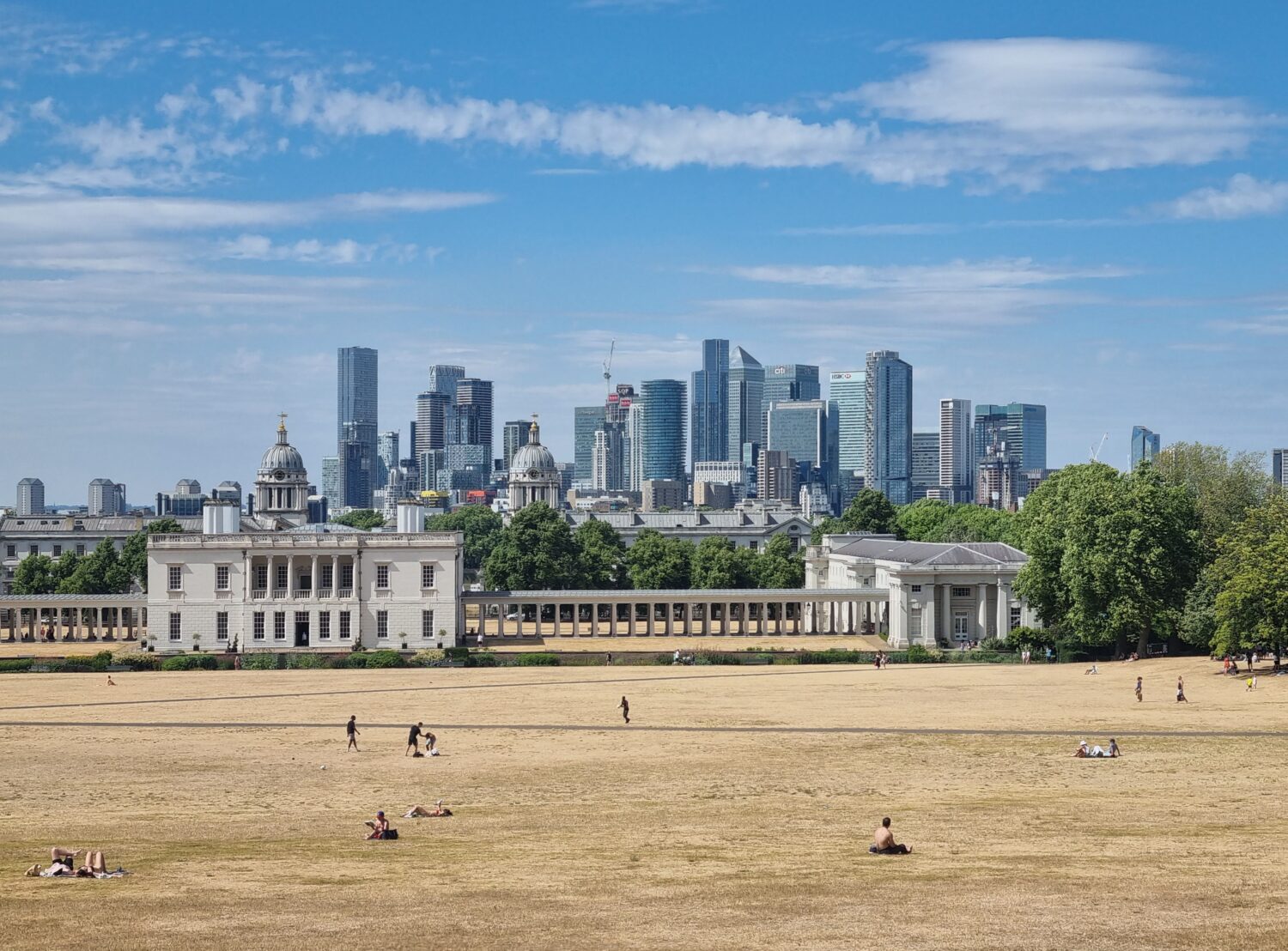
This summer, we saw five heatwaves, more than 1,000 wildfires – including in Greater Manchester, Derbyshire, Suffolk, Wales and Scotland – and the majority of England and Wales pushed into drought following the driest July on record. We saw schools close, with pupils missing 7 million school days in the June heatwave alone and NHS hospitals cancel operations and declare critical incidents.
Climate impacts are set to get worse still. According to Copernicus data, we will now exceed 1.5C of warming within this parliament, not in 2045 as was expected. And, as we move into an El Niño year, we will likely see more erratic, extreme weather. So, for our new prime minister, the question is: what does a ‘Makerfield test’ look like on climate?
We know that concern about climate change is not just a “middle class” or “luxury” concern. E3G and More in Common polling after the 2024 election found levels of climate concern at 84 per cent for those who identify as working class, the same as across the general population. Persuasion UK’s election analysis showed that the majority or plurality of people in 99 per cent of constituencies thought that government policy on climate change should be “going further and faster”.
Neither is climate change a southern concern. A recent YouGov tracker showed 25 per cent of people now have ‘the environment’ as a top 3 issue, up from 16 per cent a year ago, beating crime, education, housing, transport, and welfare. Looking at Labour’s own coalition specifically, the most recent tracker shows climate as a top 2 issue for those who voted Labour in 2024, while the LCEF and Persuasion UK tracker from YouGov shows that nationally there is very little regional variation, with between 32-34 per cent of Labour voters consistently having climate as a top 3 issue. Further polling from More in Common shows that 67 per cent of people are worried about extreme hot weather becoming more frequent in Britain, including 28 per cent who are ‘extremely worried.’ This holds for ‘rooted patriots’, the segment most likely to identify as working class and a voter group that often decides elections. It also found that 65 per cent of people think that working class people will be badly affected by extreme heat.
It’s not just the heat we need to worry about. Every community in every part of the country will face different climate issues. In Makerfield, for example, we have seen severe flooding within the last 18 months, impacting communities, business and hundreds of homes. Work from Public First shows that 75 per cent of UK adults agree that flooding occurs more frequently and causes more damage across the country than before, with 58 per cent expecting it to worsen across the UK in the next five years.
So given all this, why the political hesitancy? It might be because, as IPPR found recently, online news coverage was 160 per cent more negative towards net zero than public sentiment. They also found that at least 57 per cent of Labour MPs assume support for net zero is lower than it is. Labour should take heart, and confidence, in the work done by Persuasion UK, which shows that pro-net zero signalling helps to stem defections to Labour’s left without costing it votes to the right – heeding the warning that “reneging on net zero was one of the most vote-losing positions Labour could adopt among its 2024 vote”.
Recently, IPPR’s Sam Alvis and I made the case for why progressives need to take extreme weather seriously. Persuasion UK polling for our report showed that 81 per cent of people believe the UK is not prepared for climate impacts but that 59 per cent of all voters think it is “not yet too late to avoid the worst impacts of climate change” (holding for 46 per cent of all Reform-curious voters and 70 per cent of Labour voters). Not only is protecting people and communities the right thing to do; it is smart politics, demonstrating competence, shutting down attacks from the populist right and creating space to talk about the future.
Currently, we are leaving people and communities exposed. We need to see a serious plan from government to deal with the impacts so many communities, and especially working-class communities, are already experiencing across the country, and to bring down emissions to stop impacts from increasing in severity.
First, we need to see a range of adaptation measures, including flood defences, wetland restoration, tree planting, increased shade and cooling measures both active and passive. Second, we need to see continued investment in mitigation. The government’s steps so far on clean energy, building on the previous Conservative government’s legal commitment to net zero, are essential to stop extreme weather getting worse while also bringing other benefits, like secure home-grown energy that will bring down energy bills. We must also ensure we are protecting and shoring up not just people’s homes but important community assets like football and rugby clubs, pubs, town halls, other favourite places and the nature that surrounds us.
It is essential that we do both of these things simultaneously – and in tandem where we can (for example, solar panels on schools can power heating in the winter and cooling in the summer). We can protect people both now and in the future – which polling shows is something the public agree with – and should firmly push back on those arguing otherwise, including populists attempting to trade off our future with our present (eg by cancelling local net zero investment to increase flood defence spending) or telling us to “enjoy the weather” while people lose their homes to wildfires.
At Round Our Way, we work with working-class communities and people who have been impacted by our increasing extreme weather to tell their stories. We have worked with footballers, farmers, fishers, firefighters, doctors, nurses, midwives, builders, pub landlords and mountain rescue volunteers. We have also travelled around rugby clubs in Wales, telling the stories of the extreme weather impacts they are facing and how some are innovating and investing, like Bridgend Ravens, who have partnered with Electrify Cymru to power their club differently, bring down their high energy bills and ensure they are resilient both now and in the future.
We have shown that it is possible to talk about climate differently by making sure that people’s experiences and day-to-day concerns are reflected and that people’s communities, and the work they do to protect and nurture them, are represented.
It is politically smart for this government to be on the front foot on climate on both adaptation and mitigation, because it works for Labour’s electoral coalition, offers dividing lines with and attack lines against the populist right and left, and shows that the government can make things happen. More importantly, for places across our great country including Makerfield, it shows that things can change for the better and that this government cares about protecting the people and communities we love.