Nuclear Option
To decarbonise faster, we have to build trust in nuclear, argues Mike Reader MP
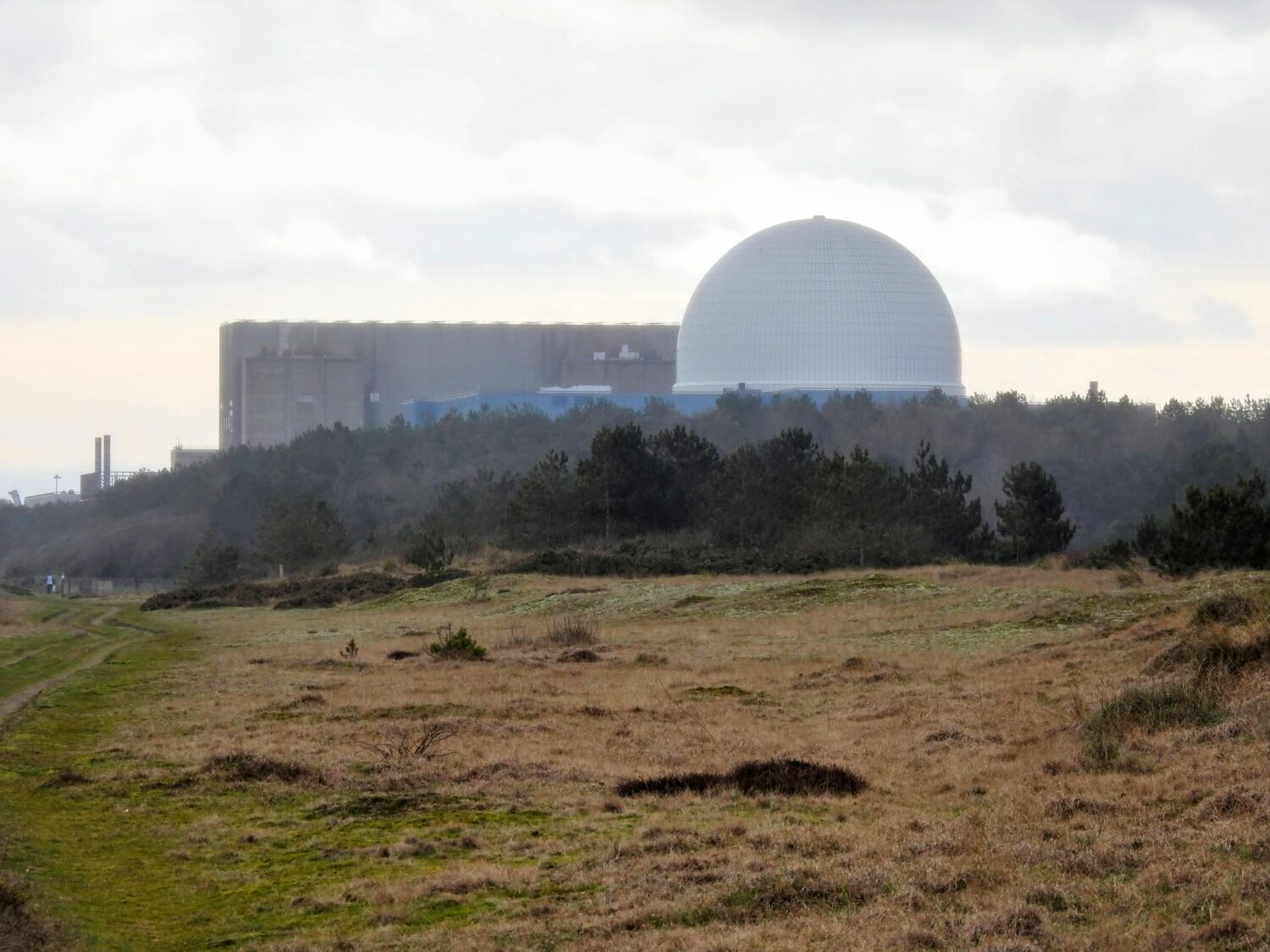
Delivering new nuclear power is critical to the UK’s energy security and our response to the climate crisis. It gives us reliable, low-carbon power that keeps the lights on when the wind drops or the sun doesn’t shine, without the need to burn fossil fuels, and with the highest energy independence of any non-renewable source.
We have a problem, however. The UK is awful at delivering new nuclear. Hinkley Point C, the next power station to come online, will be the most expensive ever built anywhere in the world. It is infamous for its ‘fish disco’ and delays and cost overruns that make HS2 look almost acceptable. Worryingly, the next plant in the queue, Sizewell C, is heading the same way.
Many will point to regulation as a key blocker to delivery. One of this government’s first steps in 2024 was to tackle that challenge. We asked John Fingleton, the former CEO of the Office of Fair Trading, to review the sector. The diagnosis he gave us was stark: his report called for a radical reset, stripping out the duplication, gold-plating and risk aversion that have made us the costliest place in the world to build a reactor. The government accepted all 47 recommendations and committed to implementing them by the end of 2027. It is now up to Miatta Fahnbulleh, Andy Burnham’s new energy secretary, to deliver on the hopeful vision Fingleton offered.
Regulation is not the only thing we have to fix, however. We face a second blocker that gets a lot less attention: trust in the sector.
National polling suggests that only around half of voters support new nuclear, well behind onshore wind, offshore wind and solar. On those numbers, you would be forgiven for concluding that the public has made itself clear. Yet among communities that live near nuclear power plants, the picture changes. Around Hinkley and Sizewell, local support runs comfortably ahead of the national average. In places like Wylfa, which will host the UK’s first small modular reactor, people speak of their power stations with pride: the jobs, the apprenticeships, the money that stayed local. The closer people live to nuclear, the more they back it.
Opposition to nuclear power, then, is not common-or-garden Nimbyism. The people who resist it are not guarding a view or a house price. They are expressing fears shaped by a cultural memory of Chernobyl and the shadow of the bomb rather than lived experience of the thing itself.
This polling also tells us how trust in big infrastructure should be built. The host communities were not won over by being told to accept the inevitable. They were persuaded by concrete benefits they could see in front of them. The government must get better at bringing communities with them. Frontloading social value benefits, new job opportunities, new community assets and local investment must be built into future nuclear builds rather than offered as an afterthought once the project is finished.
This is where the Labour tradition has something to contribute. We have always understood that big infrastructure only endures when people have a share in it, and that consent built is sturdier than consent imposed. Steamrolling communities in the name of speed is wrong in principle – and, on the evidence, slower.
The regulatory clock is already running to 2027. The drive to build trust should start now. Get both right, and Britain will finally build again.