Chokehold
Britain's reliance on US tech leaves us dangerously exposed - the government must invest in home-grown digital infrastructure to build our digital sovereignty, argues Matt Collins
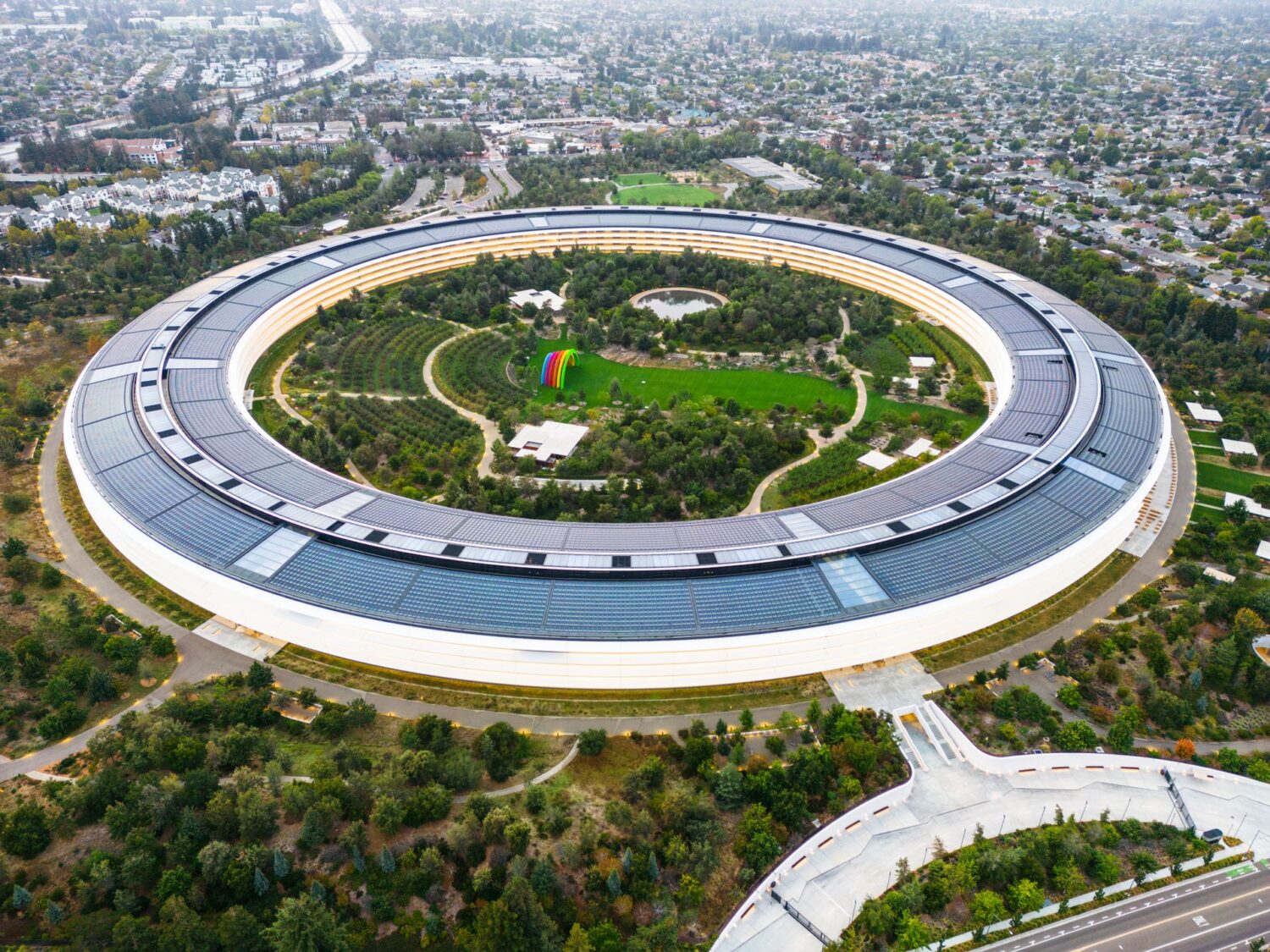
How many American services do you use in your day? Consider your emails (Outlook, Gmail); social media (Facebook, Instagram); payments (Visa, Apple Pay); and the software you use at work (Microsoft Office, Salesforce). The US owns almost every aspect of our digital lives.
Until very recently, the ubiquity of US tech was seen as natural and unproblematic. Now, however, Donald Trump has threatened allies with tariffs and sanctions, abducted the Venezuelan president, threatened to invade Greenland and Canada, and started an unwinnable war with Iran. This unpredictability is prompting many leaders across the world to reconsider the dangers of belonging to the American digital empire.
They are right to do so. In 2024, the International Criminal Court (ICC) issued an arrest warrant for Benjamin Netanyahu, the prime minister of Israel, for alleged war crimes. In retaliation, the US placed sanctions on the ICC’s chief prosecutor, judges, and deputy prosecutors. Overnight, these individuals lost access to all US software and services, including, in the chief prosecutor’s case, access to work emails. One of the judges, Kimberly Prost, told the Guardian: “It has such a serious impact in terms of day-to-day life. It’s not symbolic. You lose all your credit cards, no matter where they were issued.” To prevent further disruption, the ICC has migrated from Microsoft to open-source software outside of American control.
The Trump administration’s abuse of US tech hegemony to threaten the ICC proves the severity of the situation. If the US sanctioned Britain, it would have colossal implications. All data stored using American software could become completely inaccessible, a scenario especially concerning for the NHS, which holds a data contract with US analytics company Palantir. The financial system would also be severely impacted, with the UK potentially losing access to US markets and US-owned global payment systems including Visa and Mastercard.
The lack of British alternatives to US digital infrastructure limits the government’s ability to challenge the Trump-led White House: taking a strong stance on Iran, for example, is difficult when US sanctions could bring your country to a standstill overnight. When the British government discussed banning social media platform X due to the proliferation of sexualised deepfake images of real women and children, Anna Paulina Luna, a Republican congresswoman, threatened to sanction “Britain as a whole”. Reliance on US tech, especially in relation to critical services, leaves the UK vulnerable to foreign interference and makes protecting our own interests more difficult where they do not align with those of the White House. Decoupling essential services from technology that lies outside of UK control should be considered a matter of urgency for British national security.
The British government has begun to invest in building sovereign computing power, but US-backed companies have also seen the opportunity. In June 2025, the UK government published a National Security Strategy outlining the importance of building digital independence and highlighted the Sovereign AI Unit, which will use £500m to strengthen the UK’s artificial intelligence capabilities. Interestingly, this unit had prioritised partnerships with US-based tech and AI companies. However, more recent government funding has brought the focus back to UK companies. In June, the government announced a further £1.1bn of investment in UK AI hardware, with most of the money set aside for a £750m AI supercomputer. At the same event, AMD, a US computer chip company, announced £2bn of investment in the UK, and Nebius, a Dutch company rebranded from Yandex, a Russian search engine giant, and partially owned by US computer chip company Nvidia, announced £1.7bn of investment in the UK. As the UK’s AI capabilities grow, we must ensure that foreign investors do not end up in control of what is likely to become an essential industry and thereby threaten the UK’s digital sovereignty.
The upcoming reorganisation of the Department for Science, Innovation, and Technology (DSIT) has the potential to complicate our country’s vision for sovereign tech. Much of the £1.1bn in government funding for AI had been brought forward by the department, which is now set to be divided up and distributed among the Department for Business and Trade, the Cabinet Office, and the Department for Digital, Culture, Media and Sport. With officials likely to be drawn into departmental reorganisation for a while, it is unclear whether abolishing DSIT will help focus investment on building out the UK tech sector, especially when the funding had only just been announced.
The UK must look to its European neighbours, who are actively pursuing digital independence. France and Germany have both committed to reducing their administrations’ reliance on non-European technology, and the French government is currently migrating their operating systems to Linux. All ministries have been asked to identify key non-European dependencies, such as software or equipment, and make plans to reduce them. At a summit on European Digital Sovereignty held last November, a consortium was created to help EU states develop new software, such as the open source LaSuite, developed in collaboration between France, Germany and the Netherlands as an alternative to productivity suites like Microsoft Office. While, post-Brexit, the UK no longer holds a place at the EU table, we can learn from our neighbours who are further along the road to digital sovereignty. Pursuing closer ties with leading European tech companies, such as Mistral, and finding alternative ways to enter into a partnership with the EU on this topic will be imperative.
Britain’s highly skilled tech sector provides the UK with brilliant opportunities to collaborate with other European nations. A Cambridge-based tech company, Arm, designs the chips that power almost all the world’s smartphones. These same chips have been used in computers designed by global companies, including Huawei and Fujitsu, to compete with American tech behemoths. In an independent European tech sector, it is highly likely that Arm chips will be powering the processing.
With increased private sector and government support, British tech companies will have the opportunity to grow into serious contenders on the global stage. Cooperation with the EU will be an essential part of the journey towards digital independence, but this alone will be insufficient. Investment in UK companies building home-grown digital services will be crucial to breaking Silicon Valley’s stranglehold over the digital space. This will take time and serious investment in digital infrastructure, but it can be done. Despite the US sanctions applied since 2019, the Chinese tech company Huawei has increased its sales by over 140bn yuan (£14.9bn). Crucial to its success has been over 1t yuan (~£100 bn) spent on R&D investment and state support in the form of preferential tax rates and grants. These factors have allowed Huawei to develop domestic alternatives to prohibited US technologies at a phenomenal speed; within six years, Huawei built its own operating system, developed its own microchips, and made significant advances in AI research.
As the US grows increasingly unreliable, it is vital for Britain’s long-term national security that digital independence is made an urgent priority. This is especially true for critical infrastructure. Depending on President Trump’s whims, we may not have as much time as we would like. But while overreliance on US tech currently has the UK on the back foot, this can change. By working together with our European allies and leveraging the technical expertise that already exists within British industry, the UK government can and must forge a path towards declaring digital independence from the American digital empire. The rewards of acting now will be many; the cost of doing nothing could be colossal.