Empty plate
A strategic food reserve could protect Britain from global price shocks, writes John McClintock
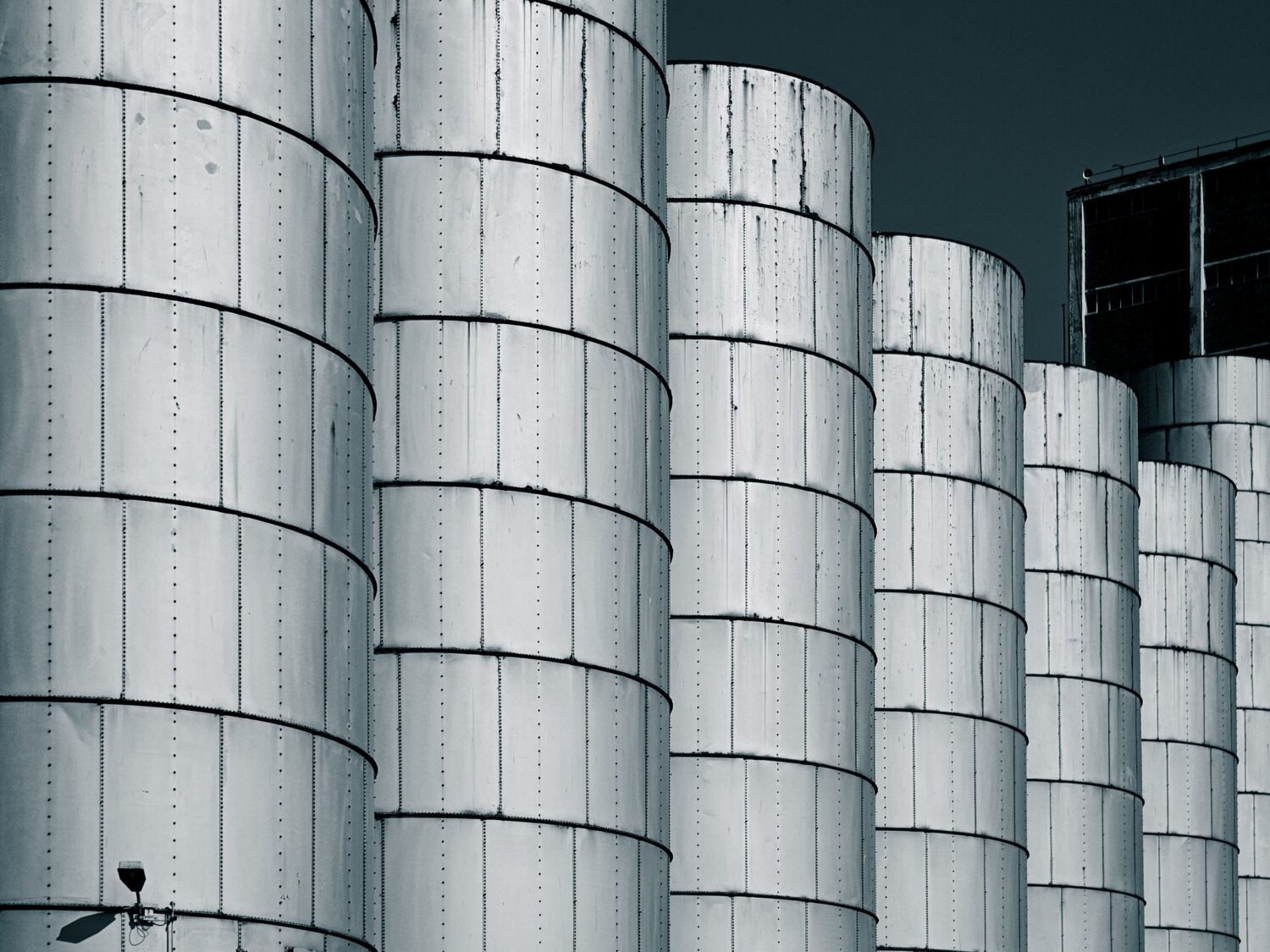
The last thing a new government needs is a sudden rise in food prices. Yet Britain is a small player in the world food market; it has little control over global price shocks. What, then, can the Burnham administration do?
A far-sighted government could reduce the risk of unaffordable food using a buffer stock: a reserve of food used to manage prices. With such a reserve, a government can sell food to pre-empt a rise in prices, replenishing it when prices are low. The government buys at a lower price than it sells, and the difference pays for the running costs. In this way, a government can keep the price of food within a band – not too high for consumers and not too low for farmers.
We should not forget that in years of good harvest, prices can fall so low that farmers cannot make a living. As well as keeping food on the table of ordinary people, a buffer stock is a way to prevent ‘financial distress’ down on the farm.
Few countries remember times of mass famine. China and India are two of them. Both have buffer stocks. During the 2007 world food crisis, the price of grain escalated throughout the world. In many countries there were riots as people could not afford to feed their families. People were killed as the riots turned violent. But in China, things remained calm. The price of rice did not budge. It remained at a level that everyone could afford. That was because the government took measures to stabilise the price of rice, which included releasing rice from its buffer stock. China is an example of successful buffer stock management.
The main argument against buffer stocks is the European grain mountains and milk lakes of the 1970s and 1980s. But these were not buffer stocks and were never intended to be. They were stocks of surplus food which nobody wanted to buy. They arose because the European Union set an artificially high price for food commodities at the farm gate. It was a price decided by politicians, not by the market. Farmers were over-incentivised to produce food and supply was greater than demand. To keep the market price at the artificial level, the EU was obliged to buy and store the surplus. Result: food mountains and milk lakes, the consequences of a misguided policy. In the 1990s, the EU reformed its policy, sold its surplus food at knock-down prices and now has no food stocks at all. So long as the government allows farm prices to be set by the market, there is no risk of a buffer stock turning into a food mountain.
A second argument against buffer stocks is that if the food is stored for too long it will deteriorate and lose its value. To avoid this, it is necessary to integrate the buffer stock into the existing supply pipeline. In that way, the food is never left for long in storage, and the stock is always new and fresh.
Without wishing to sow fear, two bad global harvests in a row could see a worldwide shortage of food. The price of basic food commodities could soar. If that were to happen, and we did not have the precaution of a food buffer stock, only the rich would go to bed with a full stomach.
Image credit: Muharrem Alper via Pexels