House rules
Care home residents should be allowed to buy their accommodation to ease pressure on social care, writes Steve Spear
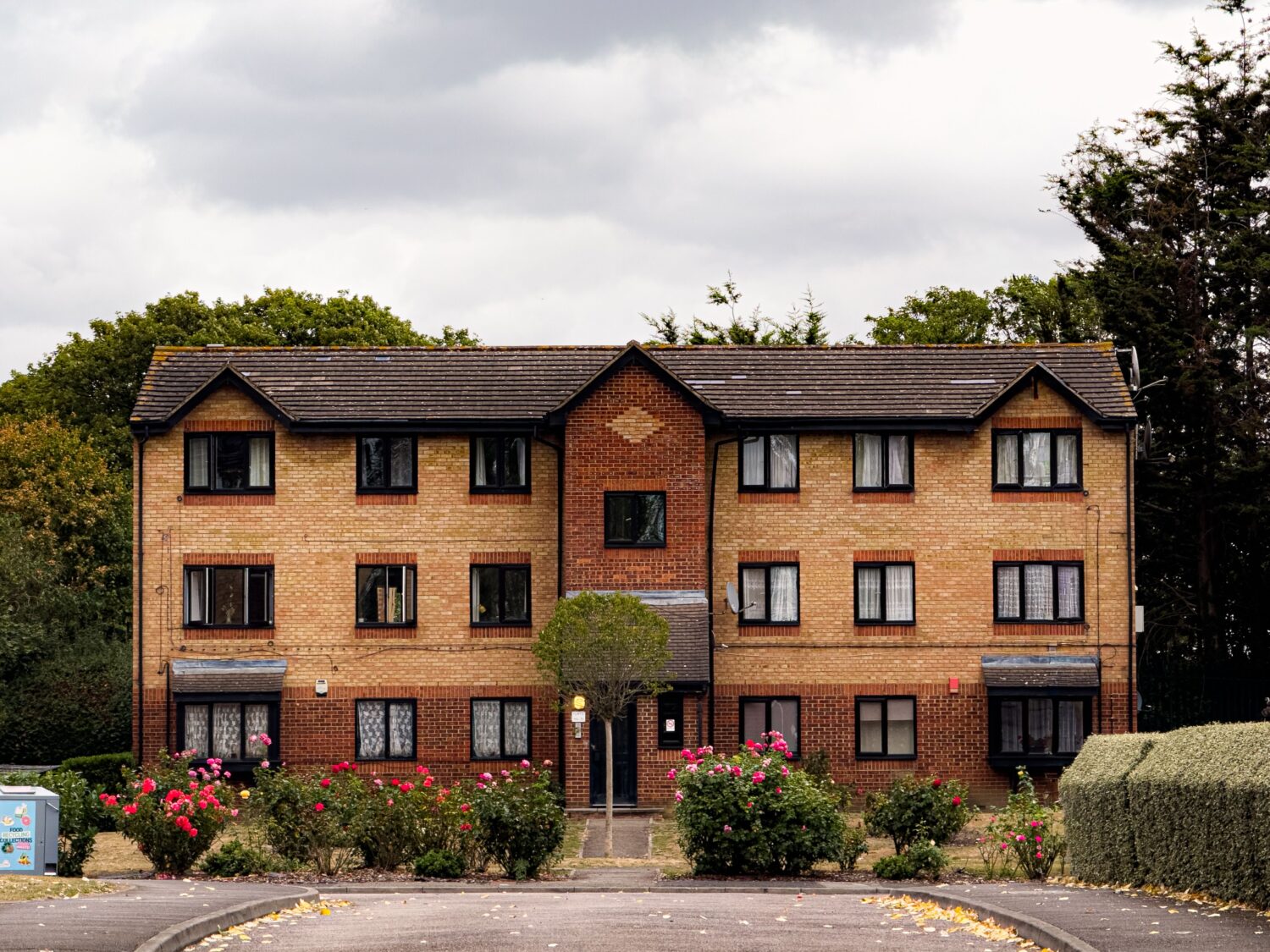
No matter how you feel about residential care homes, at the end of the day, for the residents, it is where they sleep at night—it’s their home.
At other stages of life, they can move where and when they want. They can buy larger homes as their families grow, build equity, or downsize to release it.
Even though 78 per cent of people aged 65 and older in the UK own their own homes, if you need to move into a residential care home, you will struggle access your equity in the usual way. In fact, the system actually drains away your equity as you are forced into rented accommodation.
Unfortunately, this strange funding system has left our residential care homes in a sorry state, with the experience of living in residential care increasingly shaped by the need to cut costs and make a profit.
Faced by this situation, the government has been forced to step in and set standards. Yet the minimum room size is 12 square metres, rising only 15 square metres for wheelchair users. It is hard to imagine 12 square metres being enough to display a lifetime of memories and memorabilia, or to entertain family and friends, watch TV or simply sit and complete a jigsaw puzzles.
Even today, there is no requirement to provide en suite washing facilities in new builds. How can we not value our elderly enough to ensure them the dignity of a private bathing space in 2026? Nor are there any kitchen facilities, leaving residents to rely on a limited menu provided by the home – a shame for a generation who have grown up with Delia, Nigella and Mary Berry.
Although the vast majority of residents are widowed, about a quarter are married. That means more than 100,000 married couples spend every night apart from their spouse. Why are we unable to provide double rooms?
Currently, the care element only accounts for about 40 per cent of the total cost of residential care. The rest goes to accommodation (45 per cent) and food (15 per cent). If residents could buy their own accommodation, the savings for the state would be significant. Moreover, if the homes were designed to sell, they would likely have the same quality and facilities as other homes in the market. Plus, the accommodation would become a personal asset, boosting equity and safeguarding the family’s inheritance.
If the government could save billions, improve accommodation and protect family inheritance. What is stopping this straightforward reform?
First and foremost, it is planning policy. Residential care homes are not treated as housing, which is rather puzzling. The reason given is that they provide care, but why should home that provides care not also be considered a residence?
The UK planning system draws a distinction between Class C2, residential institutions, which covers communal facilities providing full-time care, and Class C3, which designates self-contained homes where individuals live independently as a single household. As a communal facility, C2 care homes cannot and are not part of the housing market despite being home to those who live there.
However, in recent years a contentious planning grey area has emerged.
Extra care housing, often referred to as assisted living, seamlessly blend self-contained homes with communal care infrastructure. In this emerging area, residents typically own or rent their own self-contained apartments. Yet they also have 24-hour access to on-site care, and shared dining or lounge facilities mirroring the communal care in C2 institutions. This has created uncertainty with differing interpretations by planning authorities across the country, some allowing C3 while others stick religiously to the unhelpful C2 interpretation.
It is no wonder, then, that the government is thinking about changing the C2 and C3 classifications. C2 definitely needs to go.
Even if the planning issues are resolved there still remains an elephant in the room: the need to sell the family home to buy the care home accommodation. The answer might have an unexpected bonus.
It usually takes about four weeks from being assessed as needing residential care to actually moving in – but it can be as quick as 48 hours – clearly not enough time to sell a house. Therefore, we will need to figure out a way to buy both the family home when the resident enters care and the care home accommodation when the resident passes away.
Fortunately, there is already a system in place that could handle this task. Local authorities that own 200 or more properties are required to manage a housing revenue account. This system is already set up to do this job, and it has the right protections, like being separate from other local authority budgets and self-sufficient. Mainly funded by rent, it already has stable income.
The account is managed by local authorities, and here is a nice surprise: they could use the properties they buy to increase their council house stock. By design, these properties would be spread out across the area, which would help remove the negative image that some people associate with living in social housing.
The value of our housing stock is £9.18tn. This wealth is not being used to fund residential care because care homes are not considered homes. The changes proposed here are not complicated and could be started in this parliament. We could improve care, save money, protect inheritances, and as an added bonus, rapidly expand our supply of council stock. All that is needed is political will.