Human cost
Social liberalism in Labour must be defended, writes Chloe Brooks
The community I grew up in is increasingly dominated by far-right-led protests outside a local hotel, staged under the guise of ‘protecting women and girls’. These demonstrations reflect the racist attitudes emboldened by Reform – whose support in the polls has surged beyond 30 per cent – and deploy a familiar tactic: co-opting women’s safety as a more palatable vehicle for socially conservative attacks on vulnerable groups.
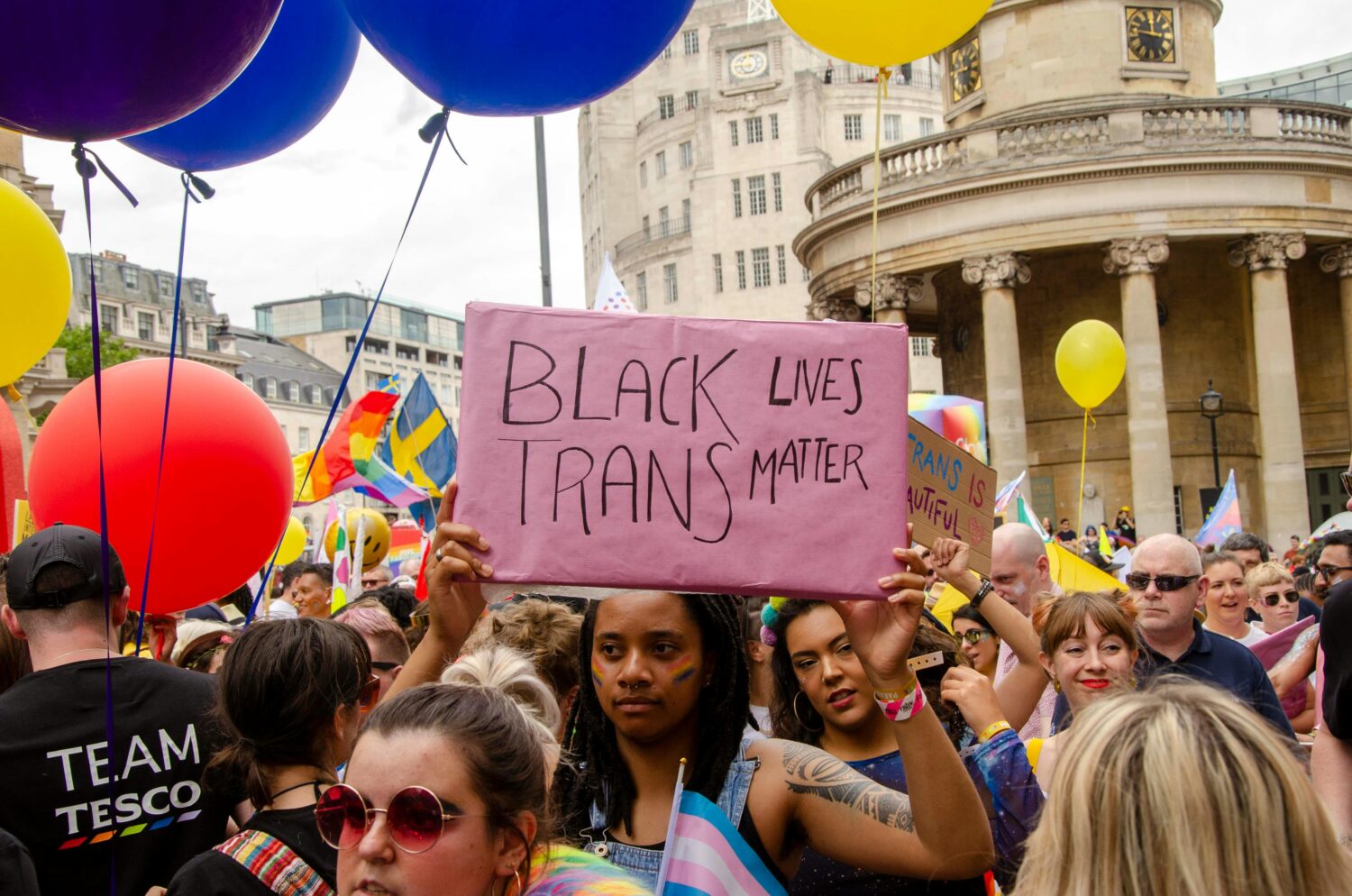
This is nothing new. As a teenager, I was told by peers that they felt unsafe changing alongside a lesbian like me. This was homophobia – no less than when I was shouted at in the street for holding hands with another woman. It is disorienting to see these same arguments now resurfacing as transphobic arguments, with my identity as a woman being routinely hijacked to legitimise hostility towards LGBT+ people and immigrants.
Unless we reject these tactics, life will become even less safe for marginalised groups. Where is Labour’s leadership when it is time to defend the socially liberal values at the core of our movement?
Labour members clearly want a different approach from the government. Survation polling shows that two-thirds of members want the government to move to the left. 71 per cent think proscribing Palestine Action was wrong, and 84 per cent want to see the government scrap the two-child benefit cap. These figures show a party base as committed as ever to social justice, equality and solidarity. Our leadership too often points to “public opinion” as justification for these alienating positions, even as Labour has, at points, fallen up to 15 points behind Reform. There is no evidence that our retreat on Labour values has delivered electoral reward. If anything, it has brought us popular decline.
For the LGBT+ members I represent on the Young Labour national committee, the rise of Reform is not an abstract threat. A majority of Labour members under 45 believe the government’s stance on trans rights is wrong, with young LGBT+ members in particular hurt by the positions that Labour is taking. Many are already experiencing growing hostility, and the growing prospect of a Reform government only intensifies their fears. The fact that Reform has any prospect of forming a government is all the more frustrating because of what Labour has already achieved since coming to power last year, including ambitious policy programmes on workers’ rights, public ownership of rail, and energy. But these gains have been undermined by damaging missteps. The winter fuel allowance cut, attempted disability benefit cuts, the continuation of the puberty blockers ban, and a shamefully timid position on Israel’s genocide in Gaza all suggest a government moving in the wrong direction. Polling and byelections suggest the public can see it too.
One answer repeatedly offered is to focus on a supposedly socially conservative Red Wall. Advocates of this approach argue in favour of leaning into the culture war and downplaying ‘woke’ reforms. But these proposals are the result of filtering events through a patronising, simplistic caricature of the British working class.
Successful parties do not acquiesce to their opponents’ narratives – they set their own. Thatcher did it. Blair did it. Now, Nigel Farage is doing it, telling a story of national decline in which asylum seekers, trans people and Muslims are cast as villains. Too often, Labour echoes this narrative. When Reform recently advocated a “cash-for-returns” deal with the Taliban, for instance, the government’s instinct was to say it too was exploring the idea. Following an opponents’ framing, rather than dictating the terms of the debate, is a recipe for decline.
Labour’s proudest moments were not born of timidity, but of courage: from decriminalising homosexuality and abortion to the advances towards equality of opportunity after 1997 with policies like Sure Start. This government, too, must tell a hopeful national story. One of ambition, not decline. Growth, yes; but growth that raises communities and funds shared spaces where people come together. Delivery, yes; but delivery that people can see in every town, with infrastructure that makes life easier and more fulfilling. Patriotism, yes; but an inclusive, progressive patriotism that tells a more optimistic story than Farage ever could.
This will require organisation. The progressive views of the membership are not reflected in current party structures; neither do they always coalesce into majorities at conference. We cannot afford to retreat into factional grudges. We need an alliance of the left, the soft left, social liberals and trade unionists – a broad, progressive coalition to reestablish our party firmly in a tradition of equality, solidarity, and freedom.
Labour in government has always meant real, tangible change. This legacy is at risk if we fail to resist the tide of social conservatism. It is time to stand firm, defend social liberalism within our movement, and set out the hopeful, inclusive national story Britain desperately needs.
Image credit: JeffSof via Pexels