Left behind
Young women face a myriad of economic and social pressures - Labour must tread them as a core constituency in its coalition, writes Jade Azim
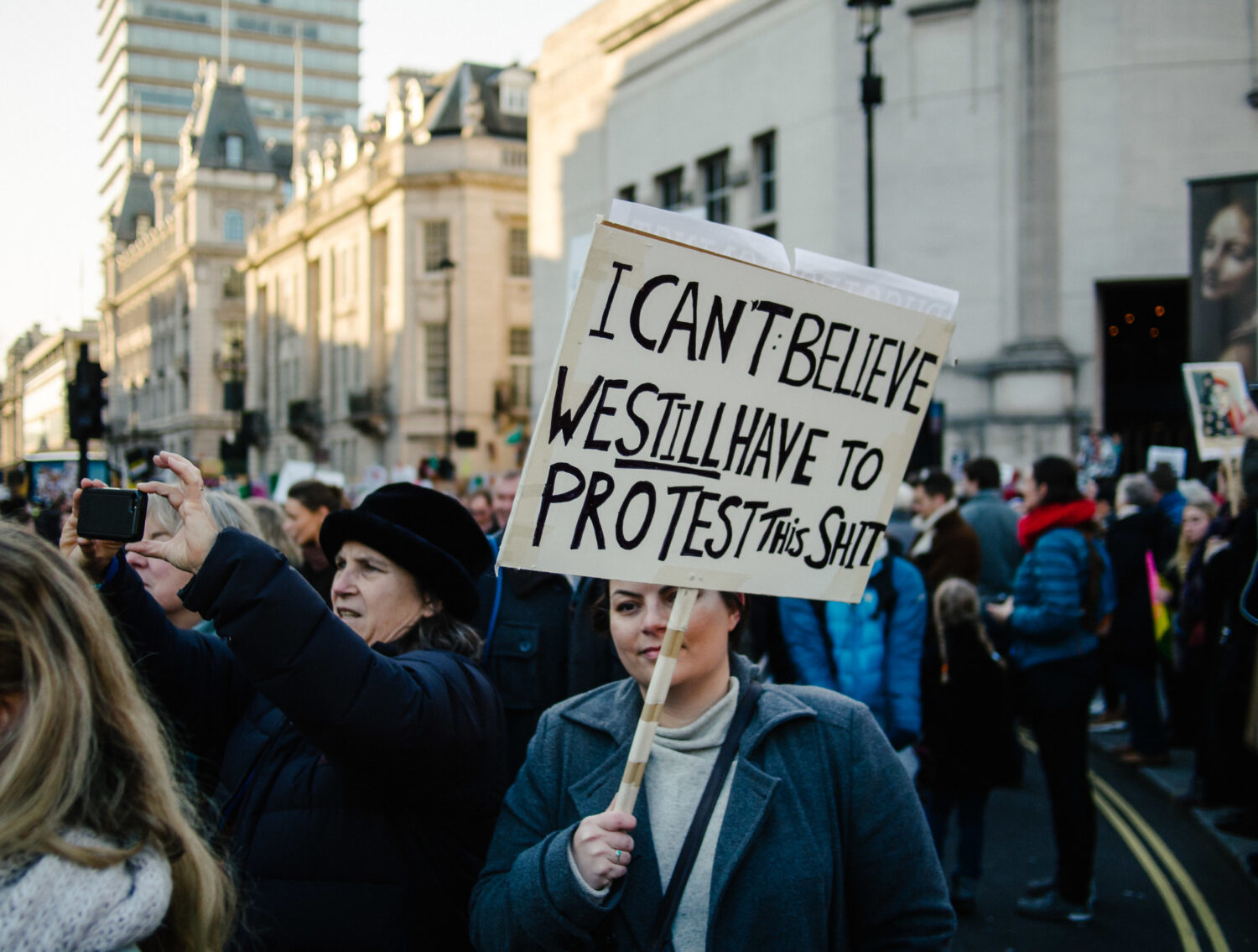
In this most turbulent of political landscapes, the air is thick with the voices of authoritarian strongmen and the performative theatre of hyper-macho, combative politics. We have become accustomed to a discourse dominated by shouting matches, culture war rhetoric, and a brand of populist strength that dominates the headlines. Caught in this cacophony, young men have become the ultimate prize for progressives and conservatives alike, as article after article is speaks to their increasing radicalisation and supposed affinity with the hard right.
But there is another, lesser-told story. While commentators remain fixated on this noisier epidemic, a much more contemporary force is being systematically overlooked: young women are emerging as a unique swing voter group. Even among experts, they remain largely invisible in the shadow of their more vocal male counterparts.
The data provides a stark illustration of a growing gender chasm that cannot be ignored. Among the 18-35 demographic, the divergence between men and women in their political loyalties is stark. Recent Good Growth Foundation polling shows that 29 per cent of young women now back the Green party, while only 11 per cent support Reform. Conversely, 30 per cent of young men in the same age bracket have flocked to Reform, with only 9 per cent supporting the Greens.
This asymmetry reveals two different versions of radicalisation occurring simultaneously. It is perhaps more appetising for the media to write about the radicalisation of young men because it is a highly visible, and even aggressive, phenomenon. It is almost cinematic, and slots neatly into the current mood of political combat. Yet the shift among young women is no less radical; it is simply quieter. Their radicalism is progressive and profoundly structural, making it harder for a noise-obsessed media to quantify – though no less capable of upending electoral politics.
This oversight is a dangerous game for any administration. The government currently finds itself walking a precarious tightrope, where any attempt to lean too heavily into macho rhetoric risks permanently alienating the young female electorate.
The problem lies in a fundamental misunderstanding of who the median ‘working person’ actually is in 2026. For too long, policymakers have been haunted by a history book picture of the working class, focusing on industrial ghosts while ignoring the young woman juggling a service-sector job and domestic labour. The reality of the modern economy is particularly torrid for young women, who are navigating a unique confluence of pressures. They are the ones bearing the brunt of a broken childcare system, a persistent pay gap, and an increasingly precarious housing market.
The top three issues for women in this age bracket, according to the same GGF polling, are the economy and the cost of living; health and the NHS; and housing. They rate poverty, inequality and unemployment far higher than the population at large. Young men, on the other hand, cite the economy, crime and immigration. It is unsurprising these issues register higher for young women than the more newsworthy issues of immigration and crime preoccupying men. But they should not be cast as ‘women’s issues’: these are core economic stressors that define the lives of the population.
Women are also working people looking for a state that provides security, not just through policing and borders, but through functional healthcare and addressing the cost of living. While male voters might be drawn to the disruptive energy of right-wing populism, young women are looking for a radicalism that builds rather than breaks. They have a lot more to lose.
Psephologists and policymakers are equally guilty of neglect. This is a profound miscalculation. Young women moving toward progressive alternatives is a direct response to a political climate that they feel has actively excluded them in favour of hyper-masculine posturing. If the establishment continues to play a zero-sum game, choosing to focus on white van man over the modern working woman, they are not just losing a vote; they are losing the future. The young female swing voter is no longer a peripheral figure to be courted with platitudes in the final weeks of a campaign – a pink van won’t cut it. She is the defining force of the new political reality, and her subtlety should not be mistaken for satisfaction. She is crying out for a politician that will treat her as a core constituency of their coalition.