One voice
Better bargaining infrastructure would ensure Labour's workers' rights agenda makes a difference, writes Jack Meredith
Britain is finally catching up on workers’ rights. Labour’s reforms will raise standards and strengthen enforcement, including the creation of a Fair Work Agency and “day one” changes. But rights are not the same thing as power.
A right on paper can still leave workers bargaining alone in practice, with the result that, however tight the rules are, standards are still set by the most aggressive employer rather than by a sector-wide norm. This is the UK’s core weakness: our bargaining is too fragmented to scale.
The British problem: pluralism that turns into dilution
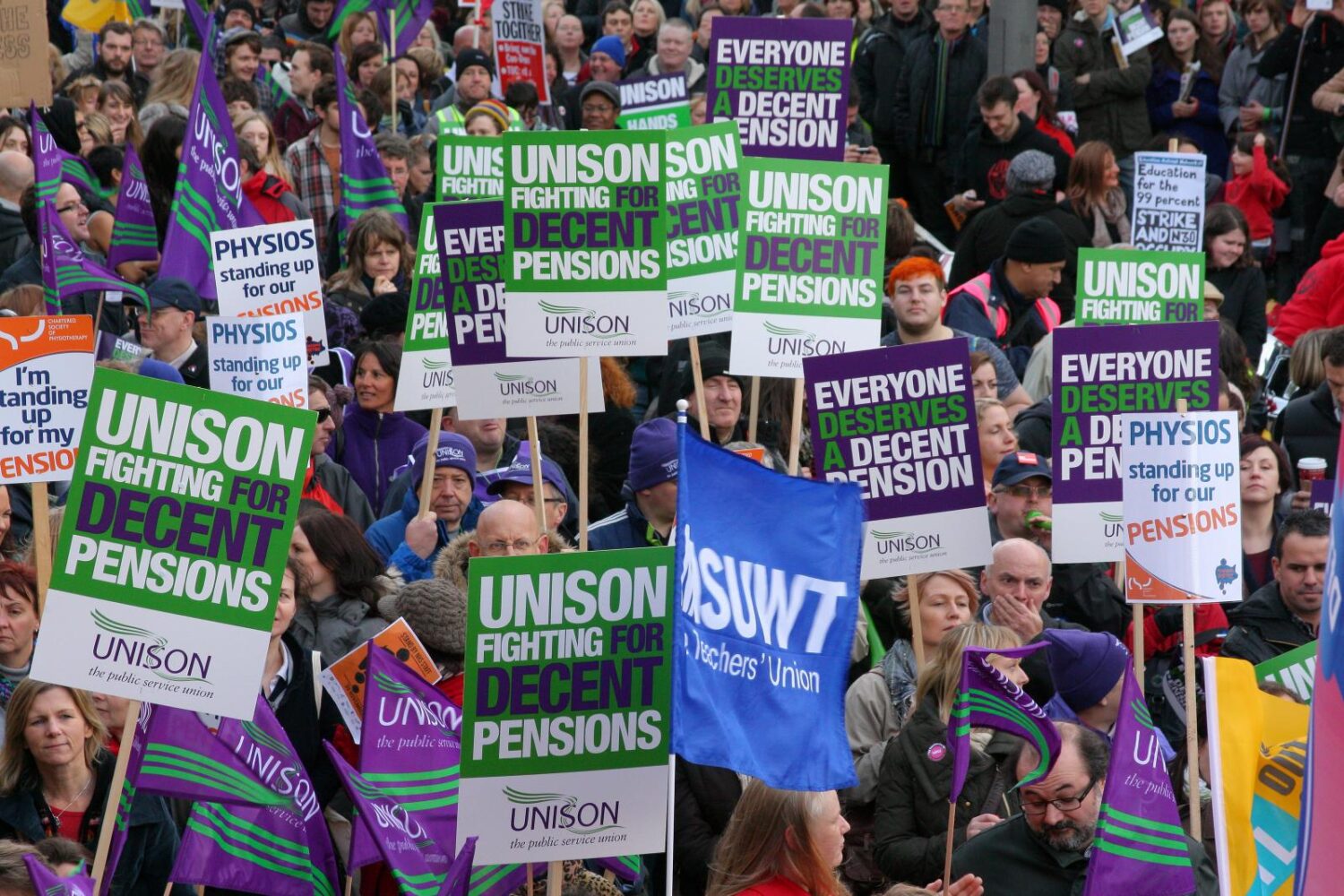
In too many sectors, multiple unions operate in the same space without a shared bargaining vehicle. The result is predictable: employer forum-shopping, parallel negotiations that undercut leverage, and dispersed bargaining power that struggles to set a sector norm. In an economy built on outsourcing, subcontracting and churn, that fragmentation becomes a structural disadvantage. Even good legal reforms cannot fully compensate for an architecture that leaves labour negotiating as a collection of separate voices.
Adult social care is the test we should not waste
Social care is exactly the sort of sector where workplace-by-workplace bargaining struggles. Provision is fragmented; pay is squeezed; turnover is high; workers move between employers with little change in conditions.
Labour’s reforms create powers for social care negotiating bodies and a Fair Pay Agreement process intended to set minimum pay, terms and conditions through bargaining rather than ministerial diktat. Yet this opportunity comes with risk. If unions arrive as separate organisations advancing overlapping claims without an agreed common platform, bargaining will be slow, and more easily dismissed as “unrealistic”. If, instead, unions treat social care as a pilot for sector-wide bargaining, the machinery can do what it is meant to do: set a baseline that lifts standards across the whole sector and makes undercutting harder.
What Germany and the Nordics get right
Britain does not need to copy another country’s settlement, but it can learn from countries that embed collective bargaining in the institutional structure of their labour markets. In Germany, bargaining is predominantly sectoral, with unions negotiating with employer organisations to set norms across many workplaces. In the Nordics, wage-setting is coordinated to curb low-road undercutting and protect competitiveness. The shared thread is simple: workers do better when bargaining is organised as a system.
The proposal: sector union groups
The missing institutional piece is a formalised structure I will call sector union groups: bodies created by the unions operating in a sector to negotiate core pay and conditions on behalf of participating unions, while leaving membership services and workplace organising with the individual unions. This creates a disciplined bargaining vehicle while removing the need for an outright merger.
In practice, sector union groups would agree on a single negotiating voice on core terms; run a common bargaining calendar to make it harder to play one group of workers off against another; build a shared evidence base on recruitment, retention, productivity and funding flows; and set unity rules on minimum positions, escalation, and public messaging.
This would enhance Labour’s reforms
The Employment Rights Act and the Plan to Make Work Pay raise standards and strengthen enforcement. They are delivered in phases so that employers and workers can plan. But statute can only be so powerful if bargaining remains atomised. Legal changes can be delayed, narrowed, and contested; bargaining capacity helps workers hold their ground while the law catches up. Sector union groups help translate rights into outcomes and make it easier for new bargaining bodies to function from day one.
The government should start with adult social care, because the bargaining architecture is already emerging. Labour can then use it as proof of concept, building reusable templates applicable across sectors: a model unity agreement, an evidence pack, and a standard timetable. Where jurisdictions overlap, the TUC could be a convenor and broker.
Labour’s reforms deserve credit, but a stronger floor is not the same thing as a stronger bargaining system. Britain’s weakness lies not only in the law, but also in the lack of a scalable bargaining architecture. Sector union groups preserve pluralism while preventing dilution. They would turn bargaining into infrastructure and help ensure that Labour’s reforms raise not only expectations but also outcomes.