Seeing red
Public anger isn’t subsiding anytime soon. Labour should embrace it, argues Iggy Wood
Keir Starmer is really very annoyed – no, hang on, more than annoyed. He’s irked. Or perhaps there’s no point in beating around the bush, not when it’s plain to see. The man is cheesed off.
Meanwhile, the public is apoplectic; the government is almost certainly one of the most hated in the modern era. Yet Labour seem committed to ‘disagreeing agreeably.’ Why is Labour unwilling to tap into such a rich seam of rage?
It is true that political anger can harm the most vulnerable in our society, with women, immigrants, LGBTQ+ people, and racialised people bearing the brunt, whether at an interpersonal level or through government policy. At the extreme end, the spectre of violence also looms large personally for MPs. So a degree of wariness is sensible. Yet the party’s unwillingness to draw on specifically anti-establishment anger is more plausibly the result of a commitment to ‘serious politics’ and an instinctive reluctance to do anything that could be construed as populist. The problem is that public anger is not going away any time soon, because people know that they are right to be angry. Any doubt can be assuaged simply by looking at the country around them.
An obvious rejoinder would be that Labour has achieved a 20-point lead precisely through equivocation. Starmer himself has tried to convince us that “It’s time for Mr Boring.” But that simply does not fit with the lessons of the past decade, and it is very difficult to evaluate Labour’s current communications strategy with any confidence when both the Conservatives and the SNP have self-destructed in such dramatic fashion.
More importantly, the day Labour takes office, it will become the obvious target for the deep well of anger that has accumulated. How Labour campaigns in the general election will dictate how it is able to adapt to this new reality. Ideally, it would be able to portray itself as something of an insurgent government, battling vested interests and a ruling class grown used to power. Its proposal to abolish the VAT exemption on private school fees is a good example of how popular soak-the-rich policies can be. But so far, Labour has invested considerable energy in portraying itself as the sensible wing of a British establishment that is hated. On forming a government, it risks being almost immediately recast from an instrument of popular anger to the object of it.
At a minimum, Labour must tell people who is to blame for the state we find ourselves in. Frontbenchers should be talking about Michele Mone and Doug Barrowman in the same way the Daily Mail talks about people on benefits – phrases such as ‘fat-cat scroungers’, ‘workshy trust-fund leeches, and ‘toffee-nosed wide boys’ suggest themselves. Apart from anything else, such language would get press coverage, but unlike Angela Rayner’s ‘Tory scum’ comment, it could not be interpreted as an attack on voters Labour need to win over. It would instead target a universally disliked archetype: the wealthy crook.
This would be a difficult shift for Labour to make. Much internal discussion in recent years has been about ‘beating populism’, with the basic blueprint being: ‘enter government and substantially improve people’s standard of living.’ But that might take a decade or more – almost certainly more than one term. In the meantime, the plan seems to be to refuse to acknowledge, and certainly not participate in, the growing outrage among many different shades of voter since 2008. The idea is that such emotion is not befitting of a government-in-waiting: power, not protest is the refrain.
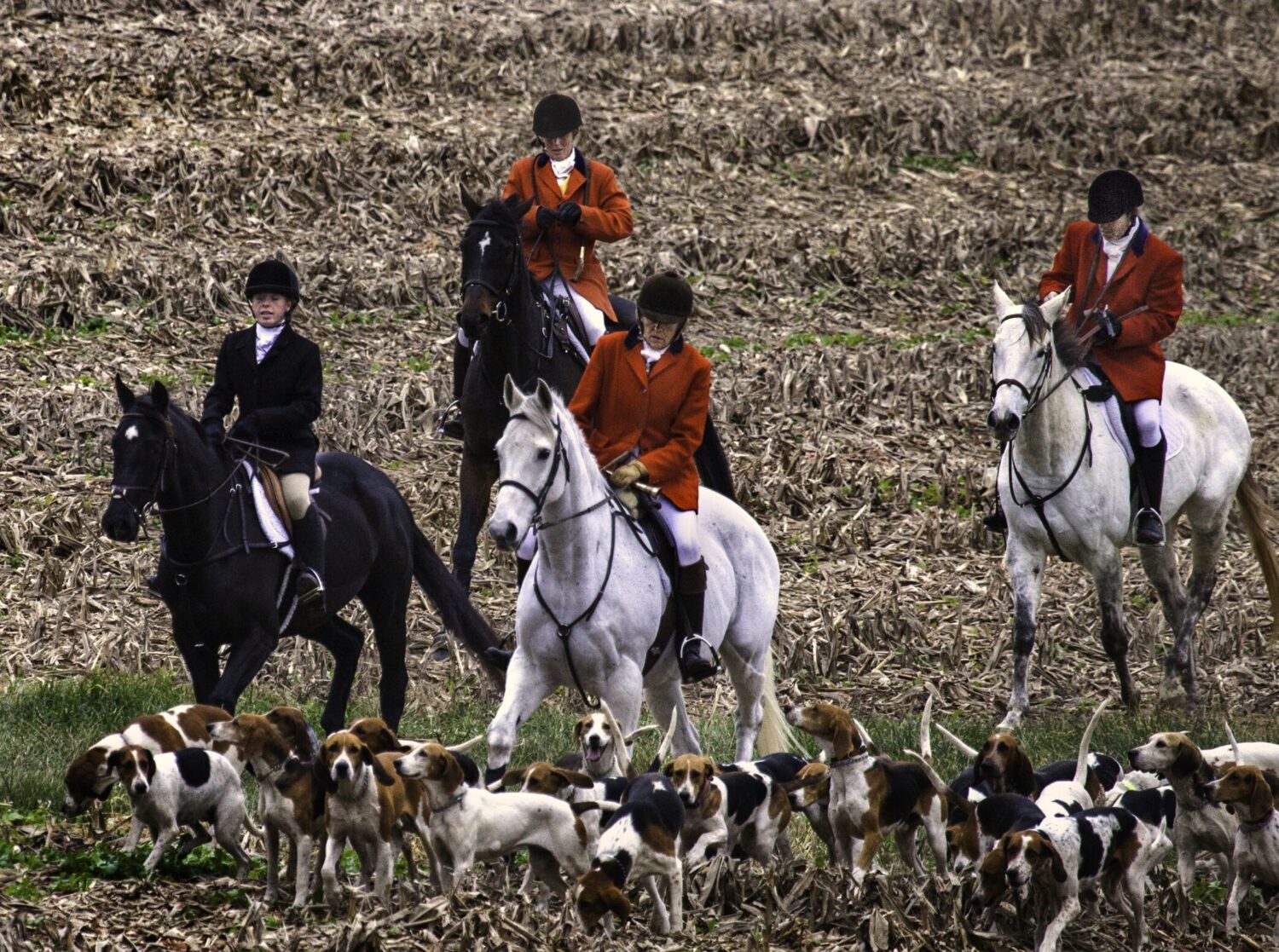
This wilful disregard of the national mood and an obsessive, compensatory focus on ‘public opinion’ about various policy issues partly accounts for the failure of very experienced political operators to predict the Brexit vote in 2016, or Labour’s surprisingly good performance under Jeremy Corbyn in 2017. But there is no need to embrace anti-EU sentiment or commit to a four-day week in order to tap into people’s disillusionment. It is much more about sounding genuinely angry – ideally, being genuinely angry – and offering up an appropriate target for public ire. Not that policy has no role to play; one easy, small win already mooted by Labour would be expanding the fox-hunting ban after recent instances of rule-breaking. This policy area offers particularly good opportunities for righteous anger; the only thing British voters hate more than the establishment is animal cruelty
It would be nice to live in a country where we really could ‘disagree agreeably’. But to do so today is to minimise the scale of suffering right across the working and middle classes. The frontbench should be blunt, and, where appropriate, outright belligerent; the British people need to know that Labour is in their corner.
Image credit: Beau Considine, CC BY-NC 2.0, cropped from original