Simple regression
We must dismantle hypermasculinity in the armed forces, writes Alessandra Barrow
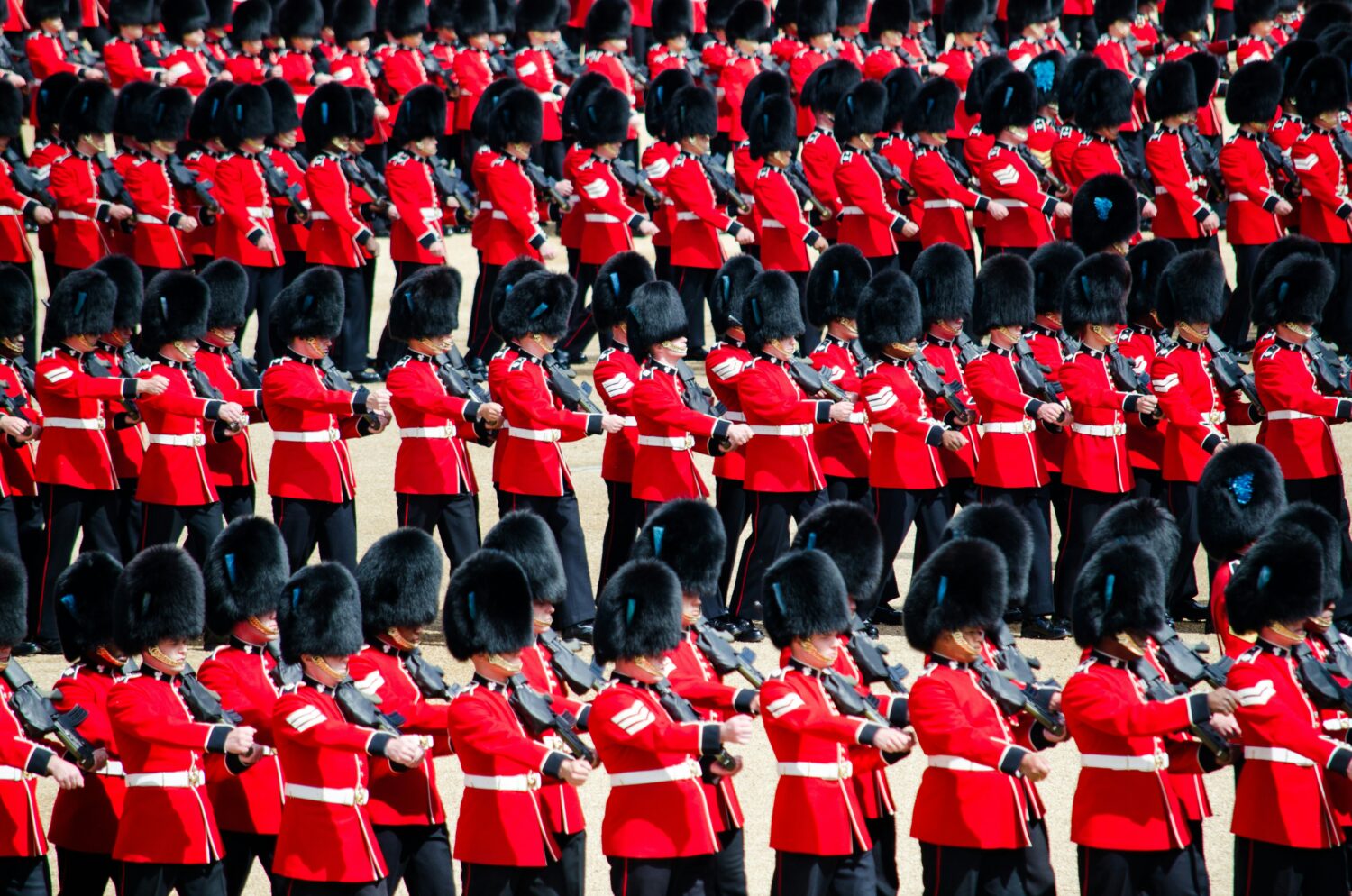
Militaries have long been associated with masculinity in a manner which informs both societal views of maleness and a military’s own internal culture. Strength, aggression, and dominance are seen both as inherently masculine qualities and as essential for military success. This is true in many societies, including in Britain.
Yet at a time when the UK military faces escalating threats in Europe and a persistent recruitment and retention crisis, clinging to these anachronistic ideas isa strategic liability. In particular, the perception of the military as a hostile environment for women makes it difficult to recruit them. The UK’s target of having women comprise 30 per cent of recruits by 2030 is not an exercise in diversity for its own sake; it is of critical importance to Britain’s security. If the armed forces want to be fit for purpose, and if we, the public, want to be protected, itis time we killed the myth that hypermasculinity makes us safer.
In March, the House of Commons defence select committee held an evidence session on the experience of women serving in the British military, questioning for the first time the tri-service chiefs and the new minister for ‘veterans and people’, Al Carns. The session was tense. The tri-services chiefs found themselves on the defensive as MPs questioned them about bullying and sexual harassment.
The committee’s published evidence was grimmer still. Accounts from servicewomen and supporting charities detailed experiences that ranged from ostracism within units to gang rape, often met with indifference or disdain from superiors. These incidents were compounded by systemic issues, such as ill-fitting protective equipment, a lack of access to sanitary products, and military base without adequate female changing rooms or toilet facilities. Evidence shows that a military’s reputation for gender equality, or lack of it, affects recruitment. When women believe they will be treated fairly, they are more likely to view the military as a viable career. Yet stakeholders seem to be in denial. In 2023, military recruiter Capita claimed: “media reports play a role in compounding the impression that the army is a harder place for women to thrive”. This relieves the armed forces of its responsibility to shape its own culture and image. The solution is not better PR and deflecting blame. It is actively challenging the internal culture of hypermasculinity – which negatively affects all personnel – and replacing it with a culture that genuinely values inclusion, professionalism and accountability.
One of the most enduring myths in defence circles is that, whether you like it or not, hypermasculinity is essential for military effectiveness. Take, for example, Nick Carter’s justification when serving as chief of defence staff: “Part of the reason we encourage a laddish culture is, ultimately, our soldiers have to [get] close andpersonal with the enemy.” This line of thinking has been used to discourage gender integration, and is one of the reasons why women have been excluded from serving in frontline combat roles. Yet there is little evidence that hypermasculinity makes units more effective, and a large amount of evidence that it makes them more toxic and traumatic work environments, regardless of gender makeup.
Far from undermining combat potency, women may actually make our military a more effective fighting force. A literature review conducted by the MoD’s defence, science and technology laboratory during the New Labour years found that “males may benefit from having a female in their team” because women tend to reduce interpersonal competitiveness and often take on emotional labour within groups.
In short, a culture that undermines psychological wellbeing, erodes trust in the chain of command, and hampers recruitment and retention doesn’t make us safer. It makes soldiers, male and female, more vulnerable. The popular solution is to aim for a ‘critical mass’ of women, typically set at 30 per cent. General Sir Roly Walker made this argument in the 2025 defence select committee session. Yet this is putting the cart before the horse. The military’s reputation for inequality, not to mention bullying and sexual harassment, will make it very difficult to meet this 30 per cent target without broader change. And even if such a ratio is achieved, research into critical mass theory, including in military environments, has highlighted that it often results in backlash against women peers and leaders.
Research has shown that even units with 24 percent women are rarely meaningfully transformed. Instead, women often have to conform to masculine behaviours; end up internalizing gender roles (for example, by believing they are better suited for medical or support roles); and tend to suppress their own voices and ambition. Simply increasing female representation without addressing the underlying cultural and systemic issues around hypermasculinity risks further marginalizing servicewomen.
Likewise, the lifting of the UK’s ban on women in frontline combat roles in 2018 has not radically changed outcomes: women still make up just 2.6 per cent of combat troops and 4.4 per cent of combat officers in the army. Progress for women at the highest leadership positions has been sluggish. Since 2024, only one woman has reached the rank of four-star general, and only one has become a three-star air marshal. This is not a coincidence. Leadership is still tied to traditional combat roles – roles women were long excluded from. Women are still often steered into support roles, so their chances of reaching the top are set to remain limited.
Conversations about military culture too often stay within defence circles. But the wider public should care –deeply. Why? Because by failing to protect and support women in its ranks, and thereby failing to retrain servicemembers and recruit at the necessary levels, the armed forces are ultimately failing to protect us. This is not to mention the obvious argument that those who willingly put their lives on the line for the collective deserve so much better than the status quo.
Yes, there are people within the MoD trying to drive change. However, cynicism about the military’s propensity to resist reform prevails. Without external pressure, the momentum created by the defence select committee and service women’s charities risks stalling. We are living through a political moment where the principle of equality is under attack. In the US, the history of female and black servicepeople is being actively erased. Across Europe, ideologies that seek to strip away the rights of women and LGBTQ+ people are in the ascendancy. Violently misogynistic voices are widespread online, amplified for their shock value and, increasingly, their mass appeal.
As such, it might be tempting to explore a tactical retreat, or conclude that culture and inclusivity initiatives are frivolous in the face of the military threat we face in Europe. But, to put it bluntly: we are not Russia. The UK is a democracy with a professional, all-volunteer force built on a long-term investment in highly trained personnel – not a conscript army where troops can be treated as expendable cannon fodder.
Ending hypermasculinity in the armed forces isn’t about political correctness. It’s about operational strength. It’s about safety. And it’s about justice. Now is the time for the public, politicians, and military leaders to demand a culture that reflects the values the UK claims to fight for.
Image credit: Roberto Catarinicchia via Unsplash