The bounce
Burnham has a chance to change Britain. He should seize it, writes Alastair Harper
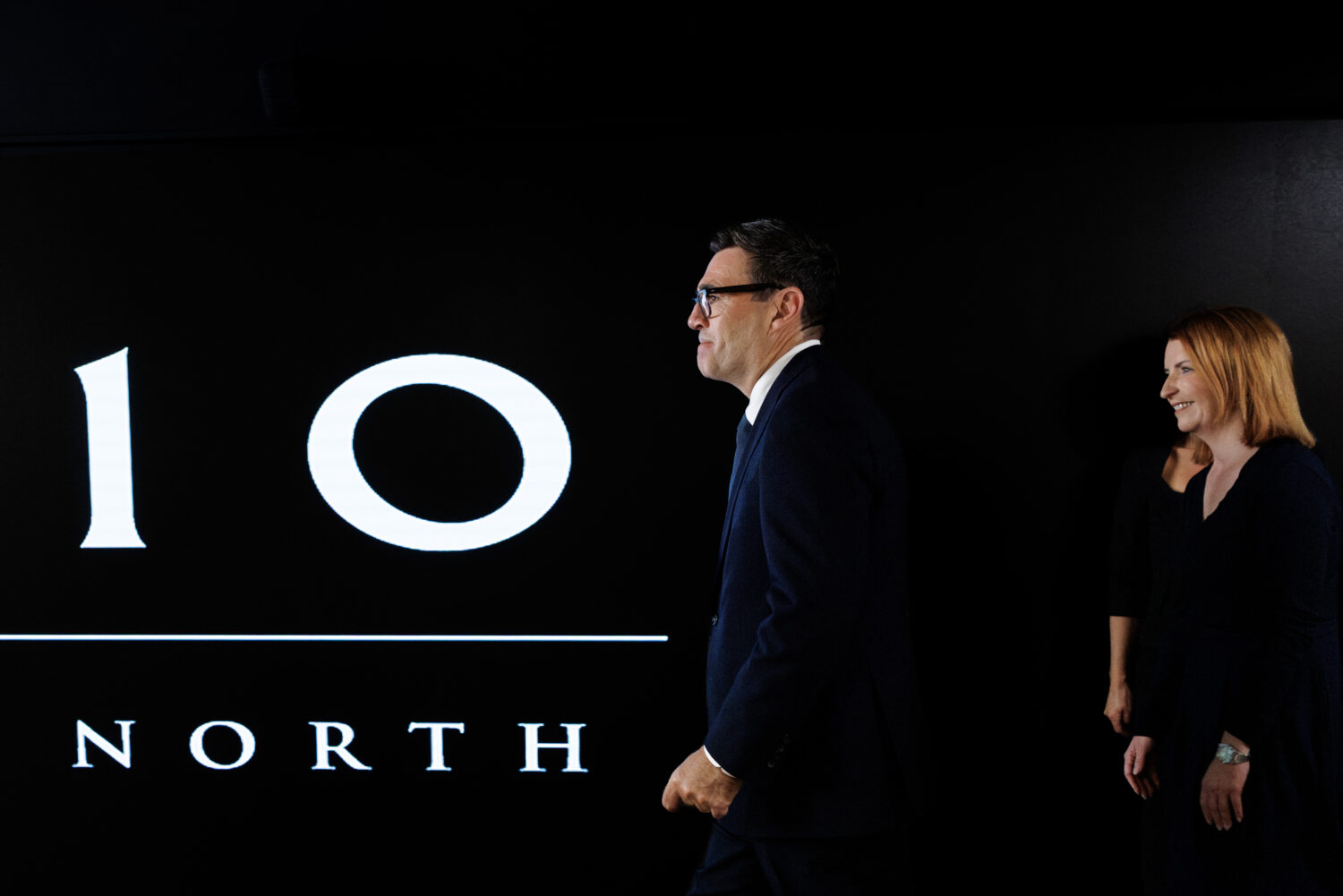
Before the writ had even been moved, Reform garden stakes were in full bloom. Drivers flicked single fingers at passing Labour canvassers as door after door was slammed in their faces. Then came the hail. The first week of the Makerfield campaign was not a hopeful experience.
If things improved in June, they did so invisibly. The pale blue posters multiplied. Everyone seemed to have voted Labour all their lives – until a few weeks ago where they’d gone Reform. The consensus was that they had been burnt too many times; time for Farage to burn down the rest.
But then, things did improve. The drivers’ bird-flipping became the friendly thumbs up. The mood lifted. In the end, Andy Burnham won comfortably. Why?
My one-word explanation would be ‘authenticity.’ Burnham understands what it means to hail from one of the semi-rural small towns threaded around the M6, M62 and M58, home to a diverse socioeconomic mix as ready to embrace the Costco hot dog as the canal stroll. Woollybacks, as the Scousers call us. ‘Vote Andy for Us’ was a code, taken from the poetry of Tony Harrison. London commentators sneered, calling it pretentious and overblown. Which was why it worked – they couldn’t hear it. To northern ears it was a friendly request for an eminently reasonable favour, along the lines of “make a brew for us, will ya?” If Westminster types missed that, all the better.
To some commentators he had always been a chameleon – maybe he had campaigned in the poetry of Tony Harrison, but his governing would revert to the prose of the Whitehall mandarin. But he was able to persuade the people of Makerfield he meant it. Convinced them that his time out of the parliamentary bubble had shown him what Westminster is missing or choosing to ignore.
I share their sense of having been burnt too many times, but I think they were right to believe him. I have the receipts – two tiny snapshots that speak, to me, of his determination and passion for change. Back in 2021, an estate north of Makerfield faced sudden impossible rent increases that would have destroyed their community. Rather than passing on the issue to aides, Burnham stepped up personally, working alongside residents behind the scenes and ramping up the pressure on the property owners until they conceded.
A year later, he was at a major bank’s Manchester HQ to hear financiers, developers and industrialists explain how the region could recover from Covid. I saw them explain to the mayor how more of the same would ‘definitely work this time’. And I saw Burnham lose patience and interrupt, asserting that they just didn’t get it – how let down people felt, the extent of the change needed. These are just glimpses, but I think they are significant – away from cameras and campaigners, I saw Burnham refuse business as usual.
His impatience is fuelled by exposure to the facts on the ground – a generation of Send children missing out on education, a million kids denied a chance at childhood, marooned in emergency accommodation, thousands of older people left without care, confused by the empty food cupboard. All the excruciating truths that people live with daily but that Westminster seems to ignore.
For over a decade, the UK has lived with ‘delay-repay governments’. They have told us that the big fixes are too much to tackle, but that for every crisis there will be an Eat Out to Help Out, an energy bill rebate, or if they’re really lucky, 15 per cent off the VAT for Chester Zoo. Burnham sees the problem his constituents see: a Westminster populated by smug ineptitude and a refusal to learn or to enact meaningful change.
Now he has talked the talk so effectively, though, if he can’t walk the walk, the disappointment will be colossal. A difficult balance needs to be found. Quick levers need pulling now to make things better, but if they are not threaded into an ambitious plan to make things right in the long term, then things will start to head south (literally).
The limited policy previews we have seen so far align with the level of change he called for in that Manchester bank HQ; the biggest council housing building programme since the post-war period will not be a quick fix, but it will be a fundamental one. His announcement on the steps of Downing Street of his intention to end rough sleeping is positive – a (comparatively) simple strategy of dealing with the hardest edge of homelessness combined with a longer-term plan to deal with the broader problem.
The challenge now facing both the new PM and the entire Labour movement is to prove Makerfield right for electing hope over division one last time. If Andy proves more of the same in a better t-shirt, we will not get another chance.