Trump Trumped
Is this the beginning of a new era in American politics? Andy Burnham should be watching closely, writes Jennifer Hemingway
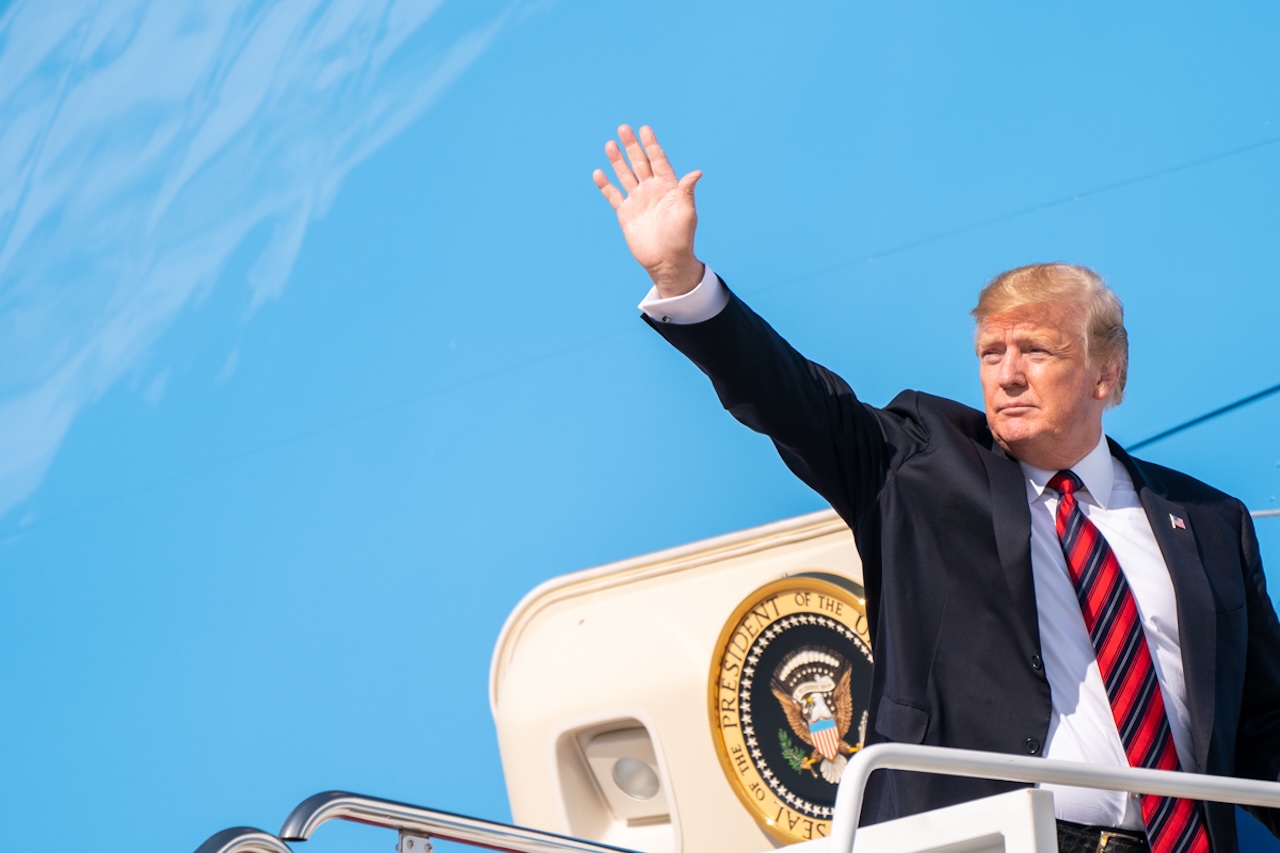
“The post-Trump era begins now.” With these words, Hillary Clinton encapsulated the sense among Democrats that we have witnessed something momentous. Trump seemed impervious to challenge for the first half of his second presidential term; now, it appears that democracy in America is not dead, even if it has been wounded.
While ballots are still being finalised, it is already clear that the turnout was historic. According to the University of Florida’s Election Lab, 48.8 per cent of eligible voters participated, marking the second-highest midterm turnout in more than a century, behind only 2018. Women, young people and minorities came out in higher percentages and swung Democrat. At 27 per cent turnout, the youth vote was the second highest in 30 years. Latino, Asian American and Black voters all came out in record numbers, with a staggering 93 per cent of Black women supporting Democratic candidates. Keisha Lance Bottoms became the first Black woman to be elected as a governor in a campaign shaped by the work of former candidate Stacy Abrams, who led voter registration drives and grew a dedicated turnout machine.
She was not alone. Many of the historic wins can be seen as indicative of a cultural shift, including the first Muslim and gay men in the Senate and the first Native American woman elected governor. This is not to say that a cultural focus on the campaign turned the tide. Rather, this success is a result of appealing across demographics to the things that matter to voters locally. Trump laid the blame for society’s ills at the feet of women and minorities; white working-class voters found that this did not improve their lot.
Already there has been considerable analysis of what tipped the balance to bring about the blue wave that swept the Democrats into Congress. There are two prevailing theories: a rejection of Trump and Maga, or bread-and-butter economics.
The former reflects that this presidency has been marked by a lack of democratic accountability, the stench of corruption, the militarisation of domestic law enforcement, and the erosion of the rights of women and minorities. It posits that the hope of Democratic voters is that Congress will now be able to hold the president and those around him to account. Having already been impeached twice, a direct frontal assault on Trump is unlikely, but impeachment of key allies is likely to be on the horizon amidst battles in the legislature and judiciary. A possible indication of the direction of travel can be seen in several new vacancies being advertised in the Senate – including one seeking an attorney for the Senate homeland security and governmental affairs committee as it embarks on a piece of work concerning “government ethics… anti-corruption legislation… [and] the Committee’s oversight and investigations work.”
Important legal battles in the supreme court are also brewing. Montana Initiative 194 – which aims to restrict corporate political spending in a challenge to the court’s landmark ruling in the Citizens United case – passed comfortably, with 65 per cent in favour. That voters in this traditionally red state backed restrictions on corporate political spending so decisively is striking. It may prove a bellwether for a broader shift in public opinion.
The defining issue of this election, however, was the cost-of-living crisis. The prices of petrol and domestic energy have risen rapidly as a result of the Trump’s war on Iran. Tariffs, too, have increased household expenditure. For voters trying to make ends meet, strained budgets are daily reminders of the economic failure of the Trump administration. A repudiation of Trump’s autocratic leadership may have driven many voters, but economic pressures were at the forefront of the Democratic campaigns, particularly in rural communities. This was a deliberate electoral strategy that paid off. It is telling that, for the first time, the Democratic congressional campaign committee had a rural engagement programme.
In the immediate aftermath of the election, Trump has accepted the result. True to form, he has claimed that the Republicans only failed because his name was not on the ballot. Rather than being diminished, he may prove more desperate. With his personal standing weakened at home, Trump could turn to a more aggressive foreign policy to project strength in his final two years. The cost-of-living crisis, resulting largely from the impact of foreign affairs, will be key.
A strategic recalibration is at hand for Andy Burnham and the UK government. Britain would be wise to be mindful of a more volatile president, but with Democrats controlling federal spending and legislative oversight, there are opportunities to push for a de-escalation in fighting while engaging with a Democrat-led Congress more friendly to UK interests as they seek to curb his military aggression. This would benefit the US, the UK and indeed market stability the world over.
In the coming months, several Democrats will float the idea of a presidential run in 2028. Some are testing the waters already (I’m looking at you, Gavin Newsom). Trump’s heir, whoever that proves to be, may not benefit from his blessing amidst the changing tide of American politics. Burnham and his team will no doubt watch with interest.
Image credit: The Trump White House via Flickr, public domain