Scaling what works
To tackle health inequalities for black women, the government should support community-led models, argue Marianna Masters and Evelyn Akoto
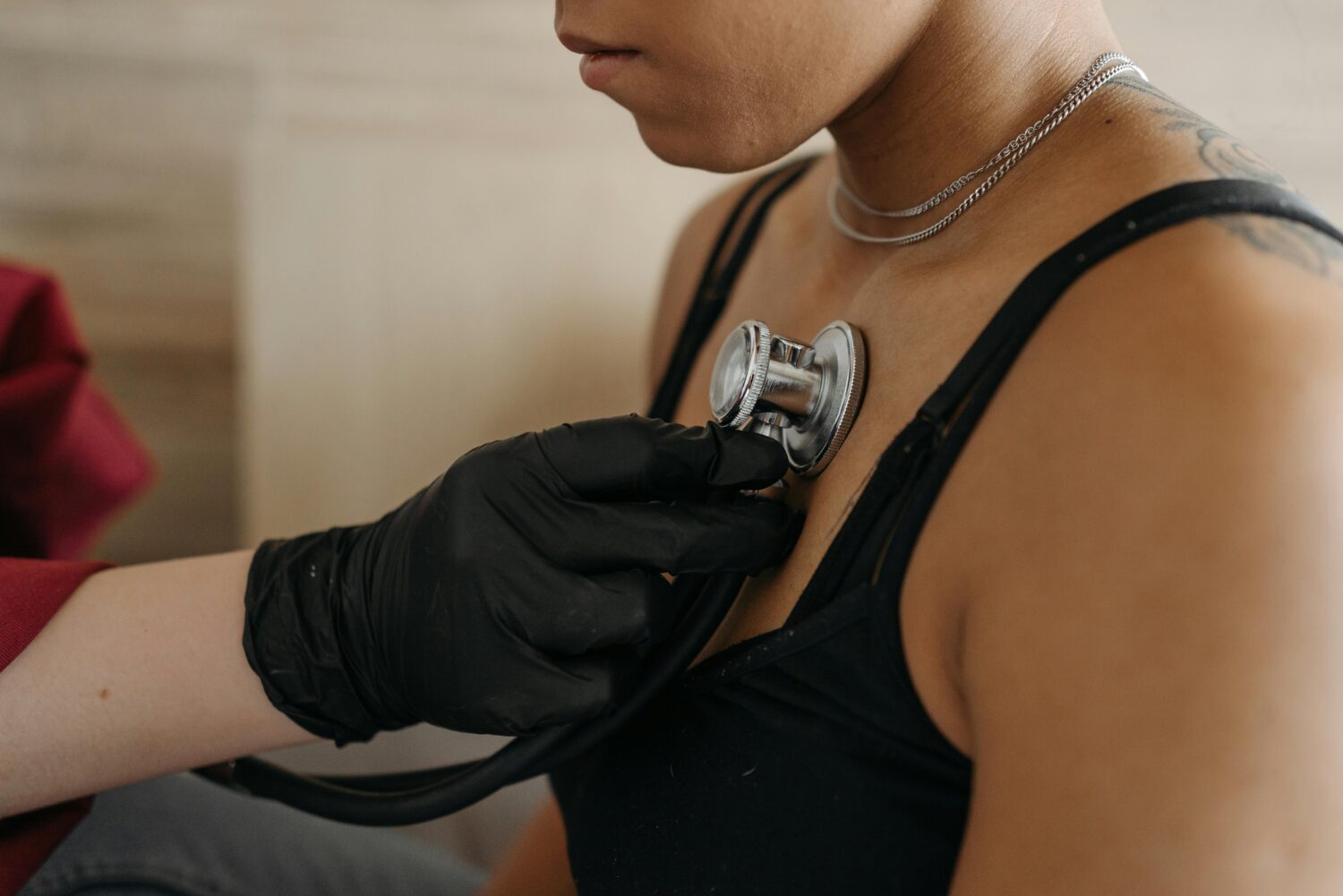
Black women in the UK live with some of the starkest health inequalities in the country. This is not new; neither is it accidental. The status quo is one of systemic racism, socioeconomic inequality, and a healthcare system that still struggles to provide culturally competent, relational care. If Labour is serious about closing this gap, it must stop reinventing the wheel and start scaling up what already works. Tried and tested solutions exist in communities across south London. We know because, as councillors, we have helped to deliver them.
The evidence that black women continue to face devastating health inequalities is clear. Black women are 3.7 times more likely to die during pregnancy or childbirth than white women according to MBRRACE-UK. As campaigners at Five X More have long warned, this is not biology, but bias. It is concerns dismissed. It is pain not taken seriously.
Through Southwark’s Maternity Commission, we heard directly from Black women who described dismissal, stereotyping and fragmented care. The commission made clear that safety is not only clinical, but relational. In other words, continuity of care, cultural understanding and advocacy are not mere extras, but vital safeguards.
Maternal inequality is just the sharpest edge of a wider pattern. Beyond maternity, Black women experience some of the highest rates of long-term conditions in the UK, including hypertension, diabetes, fibroids, chronic pain and anxiety, often earlier in life and with greater severity. These patterns are shaped not only by genetics, but by poverty, insecure housing, racism and the cumulative stress of navigating systems that are simply not designed for us.
Poverty, in particular, exacerbates other inequalities. In 2024, 41 per cent of Black households were living in poverty, compared to 20 per cent of white households. Poverty shapes the food you can afford, the housing you live in, the stress you carry and the care that you can access. Health inequalities are the predictable outcome of inequality itself.
Labour’s 10 year health plan has a welcome emphasis on prevention and tackling disparities. But it is lighter on how trust can be rebuilt in communities where it has been eroded. That is where south London’s community-led models can offer a blueprint for the national plan. Unless Labour builds with communities, not for them, inequalities will simply reproduce themselves. We learned this during Covid-19. Working together across Lambeth and Southwark, we saw how quickly trust collapsed when messaging was delivered from the centre. When we took health information into churches, mosques, food banks, hairdressers and WhatsApp groups, engagement shifted. People asked questions, challenged misinformation, and made informed choices.
In Southwark, this approach is now embedded through a network of over 200 community health ambassadors. Drawn from the community and trained in areas from blood pressure awareness to cancer screening and mental health first aid, they are trusted connectors rooted in states, faith groups and local spaces. Far from a ‘bolt on’, they are a key part of the infrastructure of prevention.
We have seen this model deliver tangible results. At Corpus Christi Catholic church in Brixton Hill, parishioners recently received free blood pressure checks and wellbeing advice after mass. For some, it was the first clinical conversation they had had in years. Alongside health checks, they were also able to access housing and benefits advice and warm food in a designated Warm Space. That is holistic care in practice.
In Lambeth, a Black Communities Health and Wellbeing Day in 2022 took place at the height of Covid mistrust, when many Black residents were avoiding the NHS altogether. Yet 500 people attended. Around 200 medical checks were completed, more than 200 referrals were made, and five men were referred for PSA tests, one of whom has since been diagnosed with early-stage prostate cancer. This was not symbolic outreach. It was proof of concept, and it saved lives.
So, what must Labour do? First, root women’s health hubs in trusted community spaces, not just hospitals. Second, guarantee continuity of care for high-risk pregnancies, with clear national standards. Third, introduce a national diagnostic standard for women’s pain so that years of delay and dismissal are no longer normalised. Fourth, leverage economic policy, including through flexible work, occupational health access and menopause and menstrual health standards. Finally, tie NHS funding allocations to measurable reductions in disparities.
The blueprint is clear: deliver care in trusted spaces; prioritise relationships and continuity; and fund prevention that is culturally grounded and community led. The solutions are already here, in our estates, our parishes and our community halls. The government must scale what works, fund what works, and, above all, trust communities.