Trailblazers
The working-class solidarity exemplified by the Grunwick strike is necessary today, writes Dawn Butler
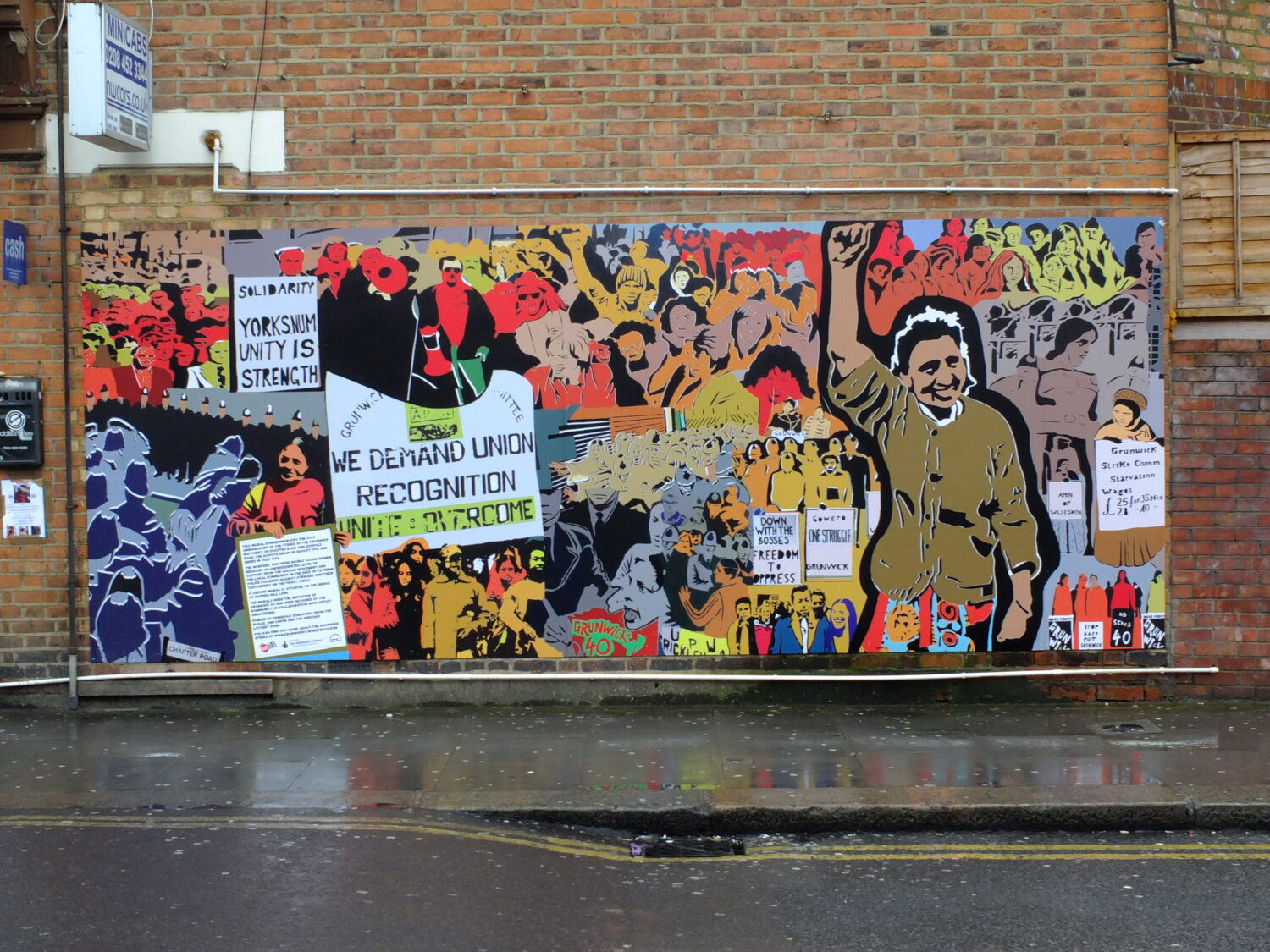
This year marks a significant milestone: the 50th anniversary of the Grunwick strike, a historic industrial dispute led by South Asian migrant women in my constituency, Brent East. Their story is a powerful lesson for modern Britain about solidarity, dignity and the transformative power of working people united across race, gender and class. In particular, Grunwick demonstrated the strength of migrant and ethnic minority workers, and the importance of having a trade union movement that stands with people of all backgrounds.
The courage of the predominantly Asian women who walked out of the Grunwick photo processing plant continues to amaze me. At the heart of the movement stood Jayaben Desai, whose determination, to this day, inspires many. She challenged brutal working conditions and anti-union employers, but also assumptions about who could lead industrial struggles. She was a true trailblazer.
The factory’s migrant workers, most of whom were Indian women from East Africa, endured low pay, punishing hours and poor working conditions. Denied the right to union representation, they still organised. Asa former GMB trade union official, I have always found this example exceptionally inspiring. Their struggle was far from easy. They faced arrests, violent clashes on the picket lines, and threats to their livelihoods – all in pursuit of dignity at work.
In July 1977, around 20,000 supporters and trade unionists gathered outside the factory in one of the largest mobilisations in British labour movement history. Miners, postal workers and trade unionists from every background joined them on the picket line. Grunwick brought together Asian migrant women and predominantly white trade unionists in an extraordinary display of working-class solidarity. It showed the very best of what Britain could be. This solidarity was vital, but it did not come easy – it was hard-fought. Jayaben Desai made it clear that this movement was about how all workers were treated, saying: “the strike is not so much about pay – it isa strike about human dignity.”
I often emphasise my belief that fighting for somebody else’s rights doesn’t diminish my own. The Grunwick movement demonstrated this powerfully. It showed that the rights of migrant workers are inseparable from the rights of all workers. Today, it is important to renew this legacy. Labour must always champion the values that define our movement, ensuring trade unions remain central to all we do. Above all, the Labour movement must stay connected to the people it was created to represent. The unions have always been the aspirational vehicle of the working class. Though much has changed since the 1970s, many of the same issues persist. Exploitative employers cause insecurity and division, while migrant workers remain disproportionately concentrated in low-paid positions with inadequate protections. Women still face discrimination and unequal treatment at work. Black, Asian and minority ethnic workers continue to experience pay gaps. The rise of insecure employment, agency labour and zero-hours contracts has recreated many of the vulnerabilities the Grunwick women fought against decades ago.
The government has taken important steps to address these issues through the landmark Employment Rights Act – the most transformative legislation for workers in a generation. The act strengthens employment rights and moves to ban exploitative zero-hours contracts. The government has also pledged mandatory ethnicity pay-gap reporting. But we cannot be complacent: we must go further to keep strengthening workers’ rights. This is particularly true because society has become increasingly polarised in recent years, with growing attempts by populists to divide communities against one another. Worryingly, Britain has seen increases in antisemitism, Islamophobia, and other forms of racism and discrimination.
Against this backdrop, the example of Grunwick offers a powerful antidote: solidarity across communities has the potential to heal divisions. It reminds us that working-class unity is strongest when every worker’s background, experience and identity is recognised and respected equally. That is why the dispute still matters so profoundly to the Labour party today. It reinforced that equality is equality: we cannot pick and choose.
The women of Grunwick may not have secured formal union recognition at the time, but they transformed the labour movement and inspired a generation of Black and Asian trade unionists and activists, myself included. Advancements that working people enjoy today rest on the shoulders of giants like Jayaben Desai. She helped prove that working people, standing together in unity, can reshape institutions and movements for the better. As we look to the future, we should remember the enduring truth that the Grunwick strikers taught Britain: an injustice to one is an injustice to all.